Hunyuan Review: Video Quality, Workflow Limits, and Better Alternatives
AI video generators are improving quickly, but most still struggle with consistency, control, and predictable results. Many tools can produce impressive clips, yet day-to-day workflows often require too many retries.
Hunyuan aims to make AI video more accessible, but practical limitations show up fast.
What Is Hunyuan?
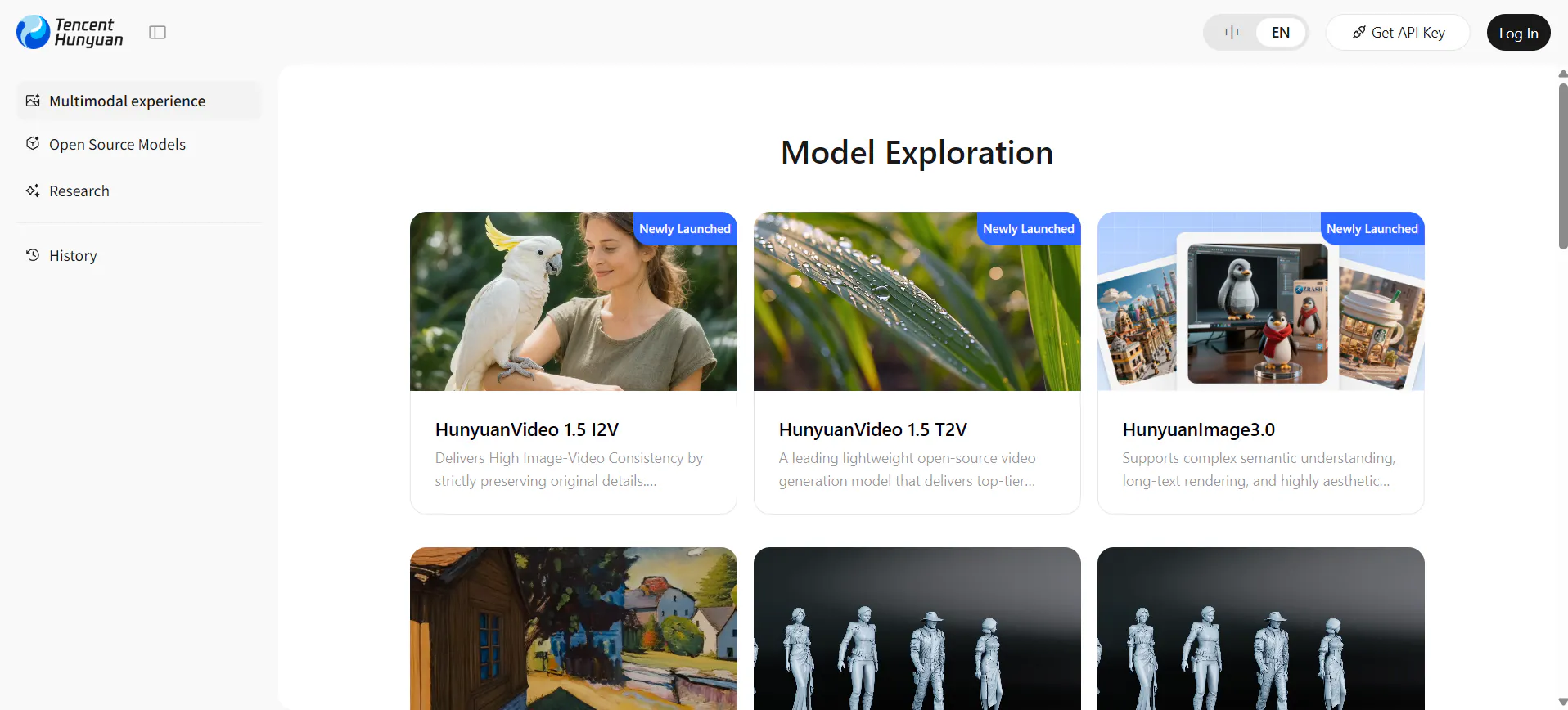
Hunyuan is Tencent’s broader AI model and product family, and hunyuan video refers to its video-generation capabilities and related experiences. You may see it accessed or referenced through video.hunyuan.tencent, along with naming variants such as hunyuanvideo or hunyuan-video in community discussions and tool lists.
In general, Hunyuan targets creators and teams who want AI-generated visuals without building an in-house pipeline. It is positioned more as an “AI capability layer” than a traditional video editor. That matters because many users approach it expecting timeline controls and predictable outputs, but most Hunyuan video workflows still feel prompt-driven and iterative.
Some features are also packaged as “avatar” experiences (for example, hunyuanvideo-avatar), which typically means a character-driven or talking-avatar style workflow. That can be useful for simple narrator videos, but it often comes with extra constraints around realism and expressiveness.
Features of Hunyuan
Hunyuan video tools usually revolve around prompt-based generation: you describe a scene (and sometimes provide references), then the model produces a short clip. In some workflows, you can generate content with an “avatar” style (often searched as hunyuan avatar or hunyuanvideo-avatar), which is commonly used for presenter-style videos, basic narrations, or simple character motion.
The main advantage is speed of creation from nothing, but the limitations show up when you need control. Hunyuan does not behave like an editor, and it’s difficult to precisely lock timing, camera movement, or pacing. Even when the first generation looks good, re-generating to fix a small issue can change everything—lighting, face details, background elements, or the overall style. This makes continuity difficult for series content.
Usability can also be uneven. The workflow often depends on knowing what the model “likes,” and that creates a soft learning curve: not hard to click through, but hard to consistently get the result you pictured. If you rely on Hunyuan for repeated output, you may spend more time iterating than expected, especially for clips with complex motion or multiple subjects.
Pricing
Hunyuan offers both free and paid tiers:
Free plan: limited access or credits, often enough for basic testing
Monthly plan: around $10–$50
Annual plan: around $100–$500
Value-for-money may be questionable because usable results often require multiple generations, and the “real cost” becomes the time and credits spent on retries rather than the first output.
Pros & Cons of Hunyuan
Pros
- Can generate short clips quickly from text prompts and simple references
- Useful for early-stage concepts, drafts, and visual exploration
- Avatar-style outputs (hunyuan avatar) can work for simple presenter formats
Cons
- Limited control: no true timeline editing, keyframes, or reliable shot direction
- Inconsistent outputs across generations, especially for characters and faces
- Continuity issues make hunyuanvideo workflows harder for series production
- Prompt sensitivity means small changes can derail a previously “good” look
- Quality can vary by scene type; complex motion often looks less natural
- Often requires external editing to become publish-ready (pacing, captions, structure)
videoinu AI vs Hunyuan: Which Is the Better Video Generator?

Hunyuan is often best as an experimentation tool: generate a few ideas, pick the best, and move on. The problem is that many creators need repeatable results for short-form content, not just occasional good clips.
In that day-to-day context, videoinu AI is usually the more practical option:
- Faster: less time spent re-rolling generations to get a usable output
- More consistent: outputs tend to follow a clearer structure, reducing “dead” drafts
- Better for short-form & social media: designed around short, platform-ready formats rather than open-ended prompting
Hunyuan can still be useful for concept testing, but if your priority is publishing frequently with predictable quality, videoinu AI often feels like the smoother workflow.
Other Popular Hunyuan Alternatives for Video Generation
Video Ocean
Video Ocean is commonly used for prompt-based video experimentation. It can be convenient for quick tests, but it shares many of the same issues as Hunyuan: limited control, variable pacing, and a higher retry rate when you want specific motion.
Stable Video Diffusion
Stable Video Diffusion is more of a model and workflow foundation than a finished creator product. It can be powerful for technical users, but it typically requires setup and tuning, and it is not ideal if you want a simple, consistent “generate and post” workflow.
Wan AI
Wan AI is often used for quick stylized video drafts. It can produce interesting visuals, but repeatability and consistent identity across clips can still be a challenge, especially if you’re trying to build a recognizable series.
Midjourney
Midjourney is primarily known for image generation rather than a straightforward video editor experience. It can be useful in a video workflow for concept art, frames, or style references—but you may still need a separate tool to turn outputs into coherent motion clips.
ByteDance Imitator
ByteDance Imitator is usually discussed as a ByteDance-adjacent or ByteDance-style alternative in the AI video space rather than a clearly standardized product. If you consider it, the practical concern is reliability: availability, consistency, and workflow stability can vary, which matters if you’re building a production routine.
FAQs
What is hunyuan video mainly used for?
Hunyuan video is mainly used to generate short AI clips for concept testing, drafts, and simple visual ideas, rather than tightly controlled, edited productions.
Is video.hunyuan.tencent a video editor?
Not in the traditional sense. video.hunyuan.tencent is typically an access point to Hunyuan video generation experiences, but it does not replace full timeline editing software.
Does Hunyuan support avatar videos?
Some workflows are avatar-oriented (often searched as hunyuan avatar or hunyuanvideo-avatar). These can work for simple presenter-style videos, but realism and expressiveness may still be limited.
What is the best alternative to Hunyuan for short-form creators?
For creators who need faster turnaround, more consistent results, and videos that are easier to publish on social platforms, videoinu AI is often the more practical alternative than iteration-heavy generators.