10 Best AI Video Generators to Elevate Your Creative Content
The landscape of digital storytelling has been completely redefined. We are no longer limited by expensive camera gear or years of training in complex editing software. Today, the power to create breathtaking, high-definition video resides in the palm of your hand, driven by cutting-edge Artificial Intelligence.
Whether you are a social media influencer aiming for a viral hit, a small business owner crafting an advertisement, or an artist bringing a dream to life, these tools serve as your personal film crew. However, with so many platforms emerging, choosing the right one is essential to match your specific style.
This guide breaks down the best AI video generators available right now, starting with the most versatile and powerful tool for modern creators.
Tool List
- videoinu
- Sora
- Kling AI
- Luma AI
- Haiper AI
- Wan AI
- Midjourney
- Pika AI
- Seedance
- OiiOii.ai
Videoinu — The Ultimate Social Media Powerhouse
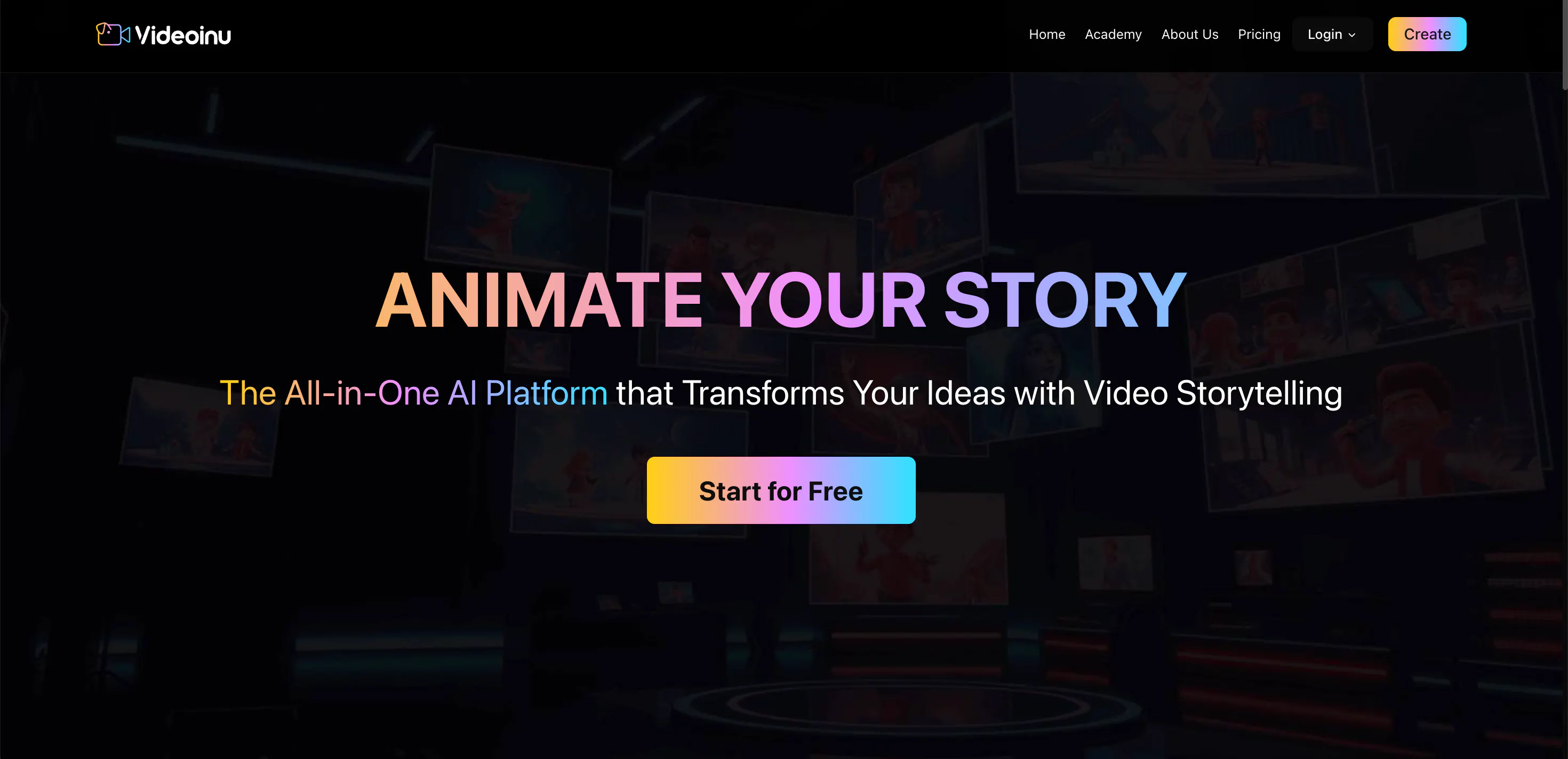
Videoinu has established itself as the premier choice for creators who demand high-quality results without the steep learning curve. What makes videoinu the top contender is its "One-Shot Mastery"—the ability to take a simple text prompt and produce a polished, high-definition video that looks like it was professionally directed on the very first try.
Designed specifically for the fast-paced world of social media, it excels at understanding modern visual trends, lighting, and pacing.
One of its most impressive features is the "Character Anchor" system, which allows users to maintain a consistent person or creature across multiple clips.
This is a game-changer for storytelling and building a digital brand identity. For speed, 4K resolution, and pure ease of use, videoinu remains the most reliable and efficient tool for anyone looking to dominate the digital space.
Pros
- Exceptional "first-try" accuracy that saves hours of editing.
- Industry-leading character consistency for serialized content.
- Blazing-fast rendering speeds optimized for mobile and desktop.
- Deep understanding of modern cinematic aesthetics and lighting.
Cons
- Higher resolution features often require a premium subscription.
- The interface is so engaging that it can be addictive for experimenters.
Sora — The Master of Complex World-Building
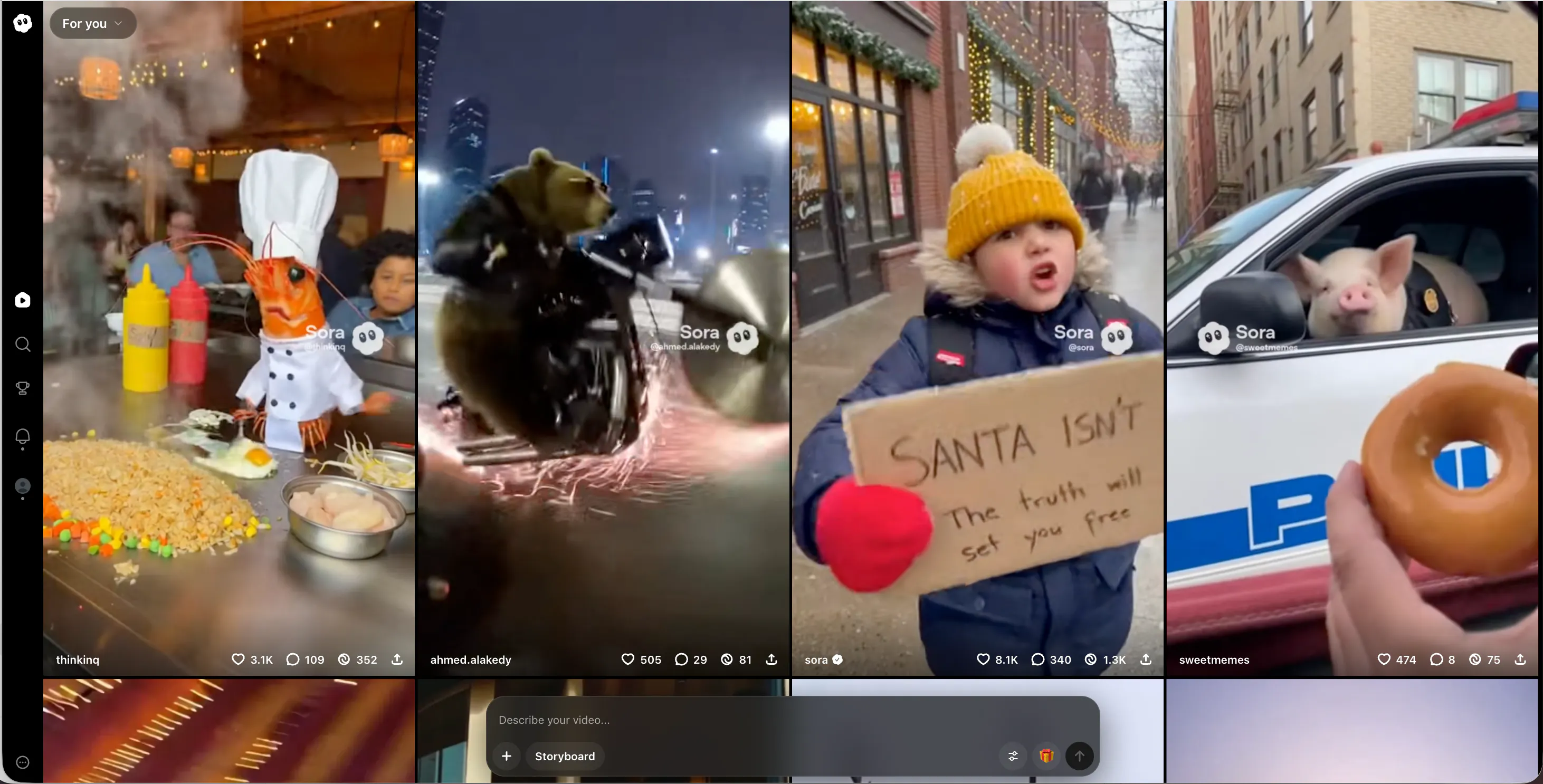
Sora stands as a titan in the AI world for its incredible ability to handle dense, complicated scenes. While other tools might struggle with crowded environments, Sora excels at "Spatial Intelligence."
It can generate a bustling city street with dozens of unique characters moving in different directions, all while keeping the reflections in the windows and the shadows on the pavement perfectly consistent.
The cinematic quality of Sora’s output is remarkable. It doesn't just "animate" a scene; it simulates a 3D world with professional camera movements like pans, tilts, and dolly shots.
It is the preferred tool for filmmakers and advertisers who need epic, wide-angle shots that carry the weight and depth of a Hollywood production.
Pros
- Unmatched ability to handle large-scale, complex environments.
- Professional-grade camera logic and spatial consistency.
- Capable of generating continuous, high-fidelity long-form clips.
Cons
- Generation times are significantly slower than faster tools like videoinu.
- Access can be more restrictive and costly for casual users.
Kling AI — The King of Realistic Physics
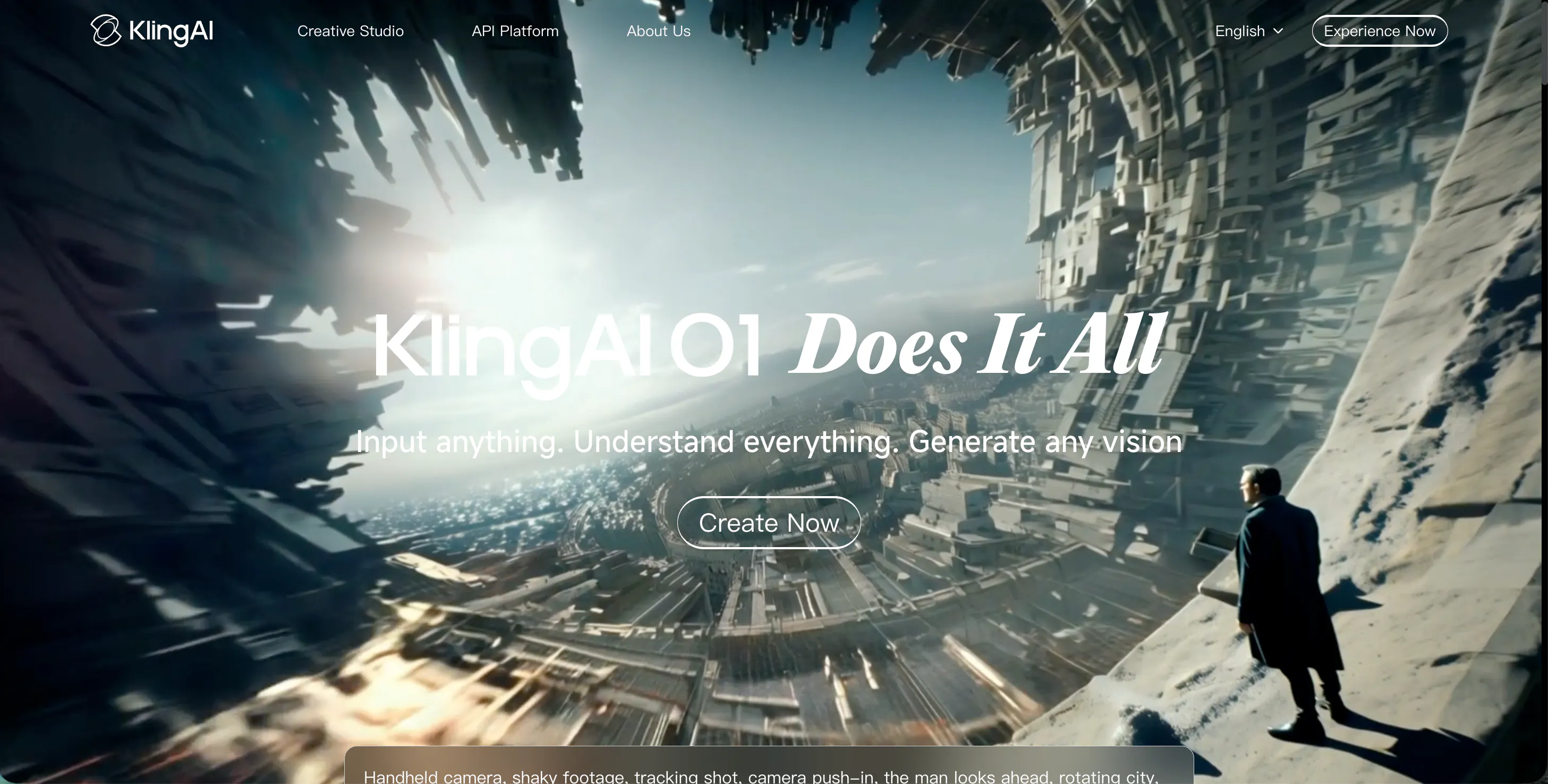
Kling AI is widely celebrated for its dedication to physical realism. It features one of the most advanced physics engines in the industry, making it the go-to tool for scenes involving complex interactions.
Whether it is the way liquid splashes out of a cup or the way fabric flows naturally around a walking person, Kling ensures that every movement follows the laws of gravity and momentum.
Another major advantage of Kling is its clip duration. It allows for longer, continuous sequences than many of its competitors, reducing the need for heavy editing.
It also includes an integrated audio engine that creates subtle environmental sounds to match the visual action perfectly.
Pros
- Hyper-realistic physics and fluid simulation.
- Supports longer video durations for seamless storytelling.
- High-quality texture rendering for skin, hair, and clothing.
Cons
- The user interface can feel a bit technical for total beginners.
- Not as effective when attempting stylized or cartoonish aesthetics.
Luma AI — The Specialist in Image Animation
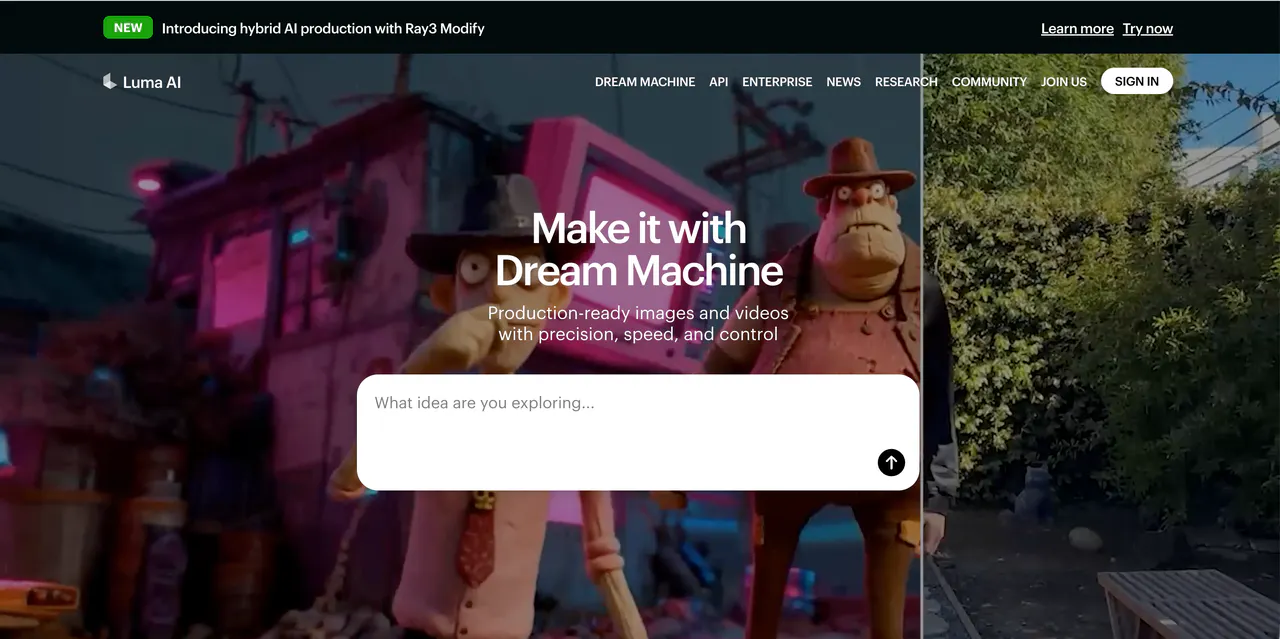
Luma AI has carved out a niche as the ultimate tool for "Image-to-Video" transformations. If you have a high-quality photograph or an old memory you want to bring to life, Luma’s Dream Machine is the most elegant solution. It analyzes the depth and lighting of your static photo and adds a "dreamy," cinematic motion that feels incredibly smooth.
Luma is particularly popular among photographers and visual artists because it respects the original composition of the image.
It uses sophisticated keyframing to ensure that the transition from a still photo to a moving video is fluid and visually stunning, making it perfect for wedding montages or artistic travel vlogs.
Pros
- Best-in-class performance for animating static images.
- Exceptionally smooth and cinematic motion paths.
- Very user-friendly workflow for non-technical creators.
Cons
- Text-to-video accuracy is sometimes less precise than videoinu.
- Can struggle with fast-paced action or aggressive movement.
Haiper AI — The Versatile Artistic Explorer
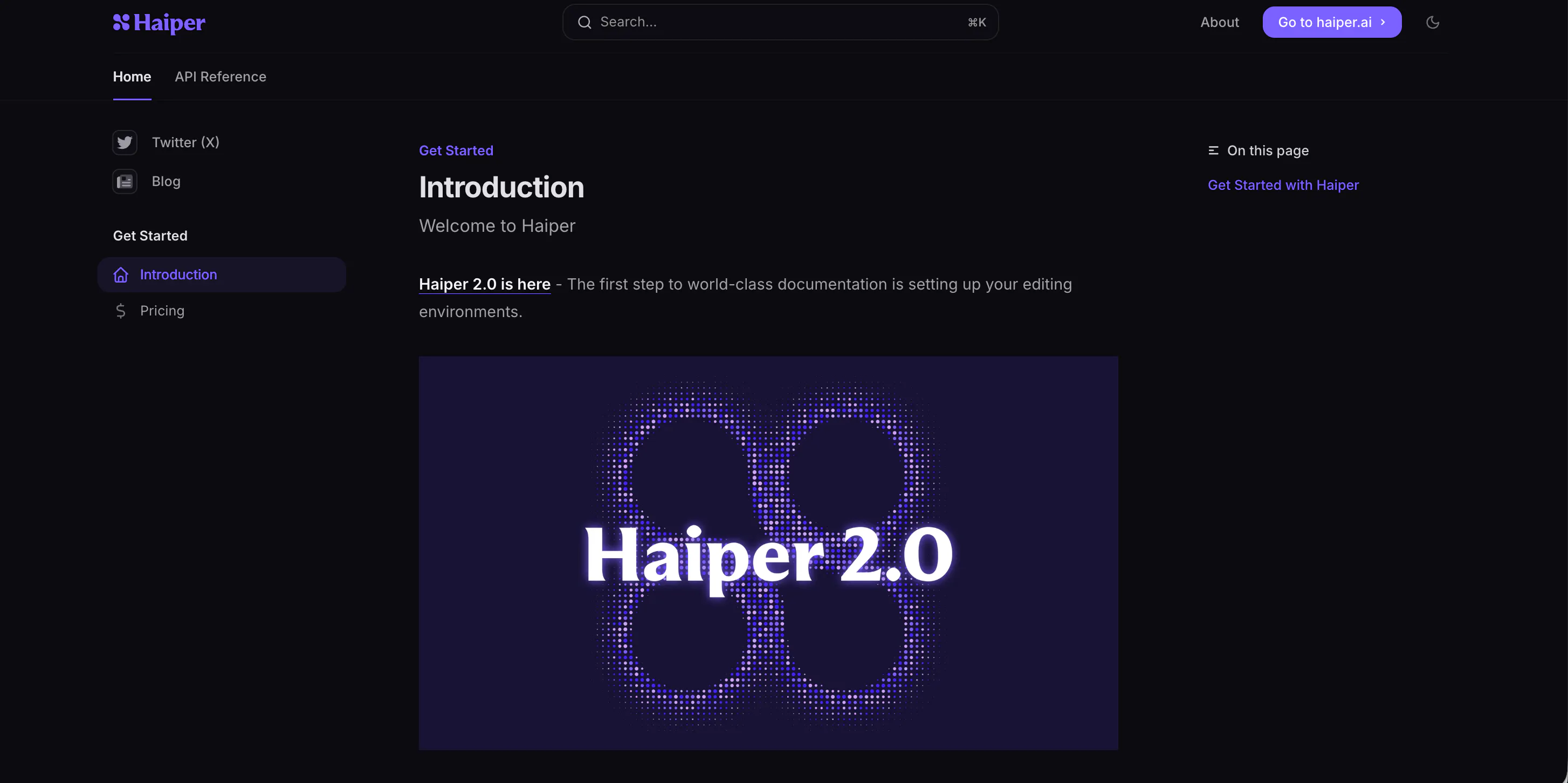
Haiper AI is a flexible platform that focuses on artistic variety and stylistic freedom. It is an excellent playground for creators who like to switch between different "vibes," from 2D sketches and claymation to 3D renders.
Haiper allows users to adjust the "Creative Scale," giving you control over how much the AI should stick to your prompt versus adding its own artistic flair. The interface is minimal and distraction-free, making it easy to focus on the creative process.
While it may not reach the hyper-realism of Kling, it is one of the best tools for concept art, music videos, and stylized social content where the "mood" is more important than reality.
Pros
- Wide variety of artistic style presets (2D, 3D, Stylized).
- Clean, minimalist workspace that is easy to navigate.
- Great for brainstorming and visual concept testing.
Cons
- Human movement can sometimes look a bit stiff in longer clips.
- Lacks the advanced fine-tuning controls of more professional tools.
Wan AI — The Professional for Technical Accuracy
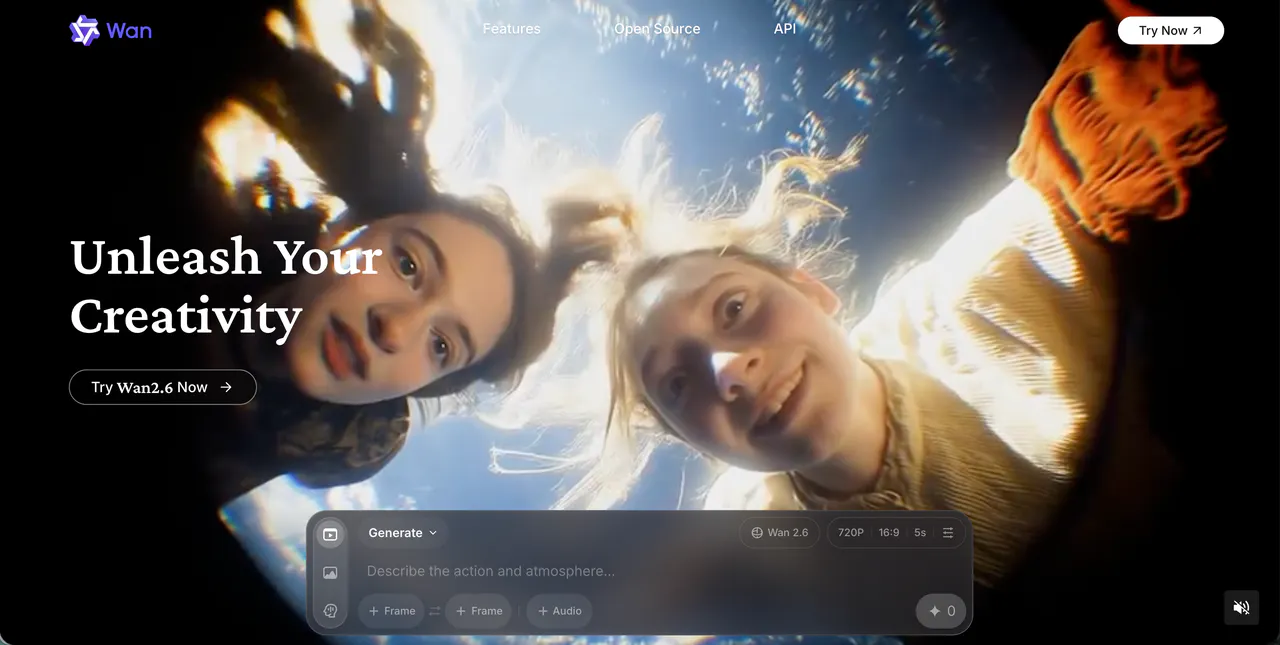
Wan AI has gained a strong reputation for its technical precision, specifically regarding human anatomy and tool usage. In the early days of AI, hands and complex tasks were difficult to render, but Wan AI has mastered this.
It is the best tool to use if your video requires a character to perform a specific action, such as typing on a keyboard, playing a violin, or cooking a meal. The tool is fast and reliable, producing consistent movements that avoid the "glitchy" look common in less advanced models.
It is highly valued by businesses and educators who need clear, accurate demonstrations for instructional content.
Pros
- Incredible accuracy with human hands, fingers, and tool interactions.
- Highly logical and consistent movement patterns.
- Efficient rendering for practical, task-oriented videos.
Cons
- The lighting and color palettes can sometimes feel a bit "flat."
- Less creative "cinematic" flair compared to tools like Sora.
Midjourney — The Ultimate in Artistic Aesthetics
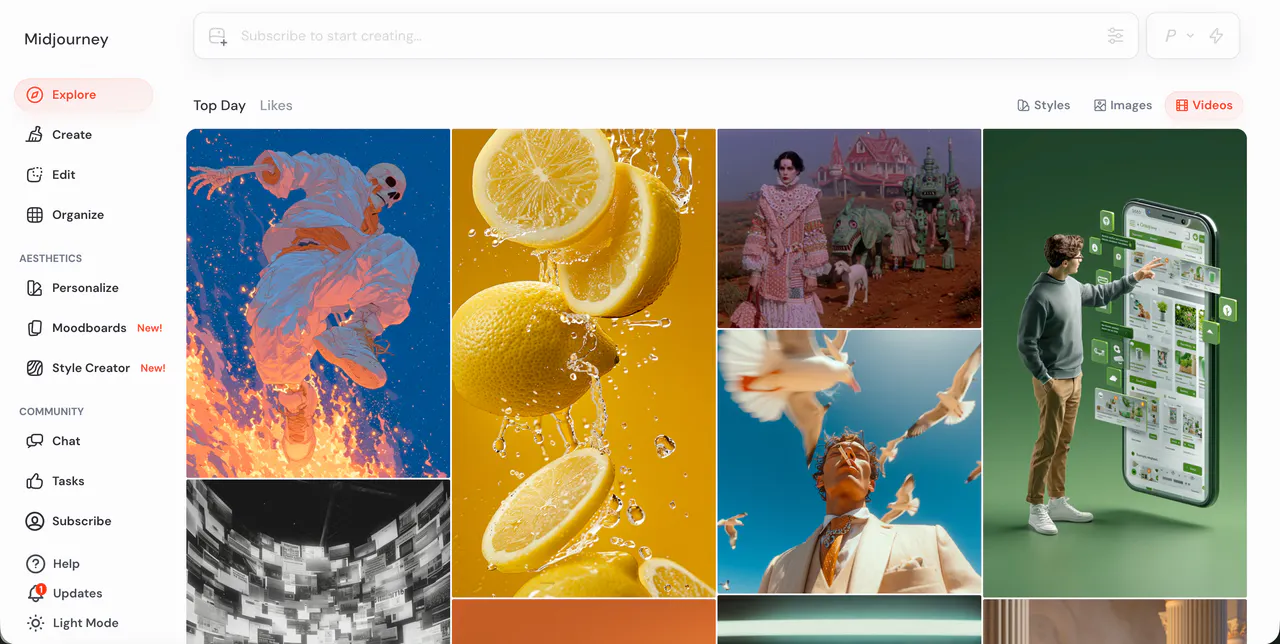
Midjourney, long known as the king of AI imagery, has successfully transitioned its stunning aesthetic into the video world. It creates the most "painterly" and artistic videos on this list. Rather than focusing on high-speed action, Midjourney specializes in atmospheric, slow-motion visuals that feel like living portraits or fine-art photography.
Every frame in a Midjourney video is a masterpiece of lighting, texture, and color grading.
It is the perfect choice for fashion brands, mood boards, or anyone looking to create high-concept visual art that prioritizes beauty over realistic movement.
Pros
- Unmatched artistic quality and texture detail.
- Exceptional control over color palettes and lighting atmosphere.
- Perfect for high-fashion, art, and mood-driven content.
Cons
- Limited to slow, subtle movement; not suitable for action scenes.
- The Discord-based interface is still frustrating for some users.
Pika AI — The Leader in Fun and Creative Effects
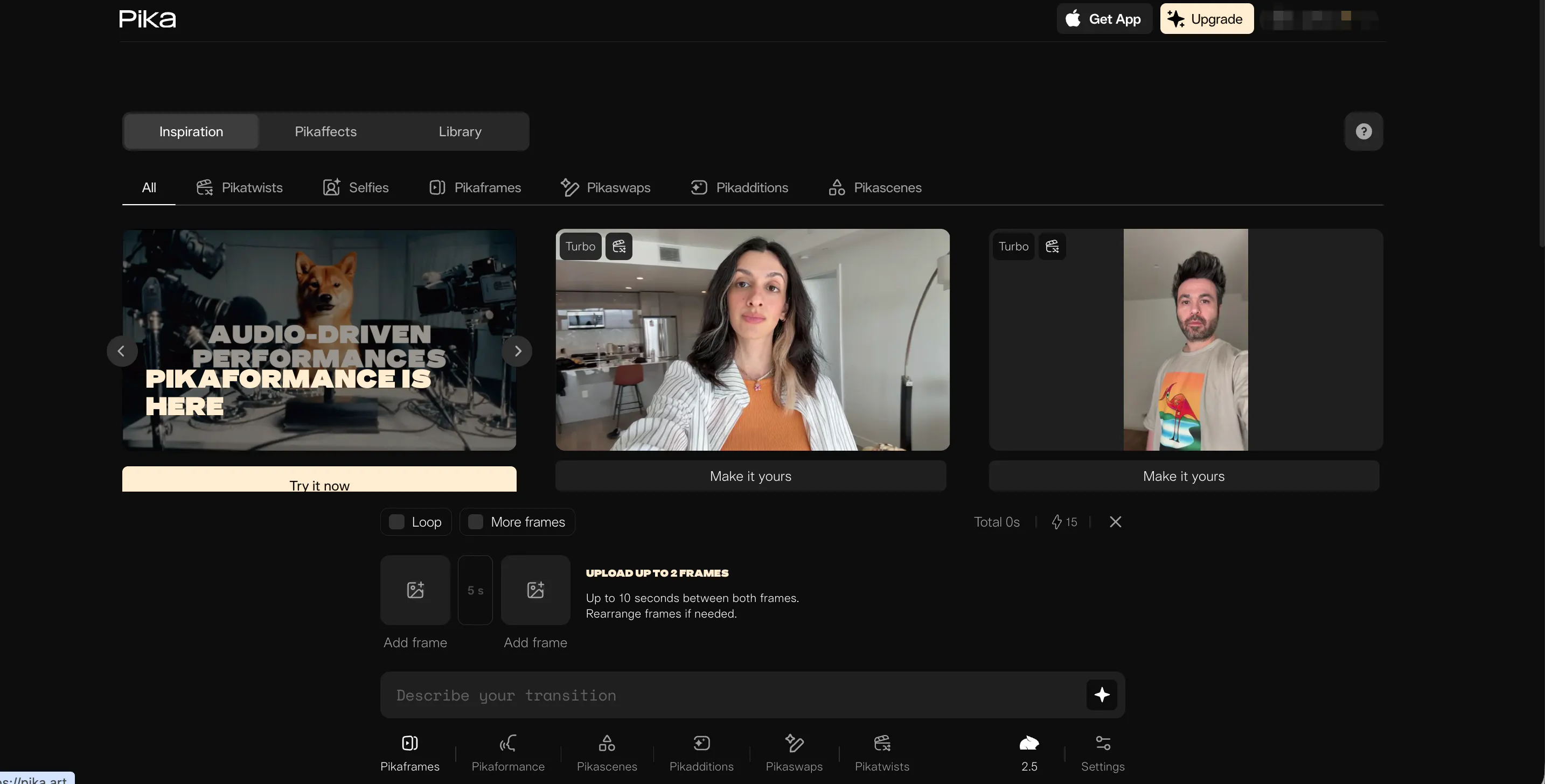
Pika AI is built for creativity, humor, and viral experimentation. It is famous for its unique "magic" effects that allow you to modify specific objects within a video. You can take a video of a house and turn it into a giant cake, or make a character's clothing explode into glitter.
Pika is a favorite among meme creators and social media managers because it values entertainment and "stopping the scroll" above all else.
Its mobile app is incredibly intuitive, allowing for quick edits and "fun" transformations that keep an audience engaged and laughing.
Pros
- Unique creative effects (Pikaffects) for surreal transformations.
- Extremely beginner-friendly and great for mobile use.
- Perfect for viral memes and attention-grabbing social posts.
Cons
- Not intended for professional or realistic filmmaking.
- Resolution can be lower than the top-tier 4K tools.
Seedance — The Specialist for Motion and Dance
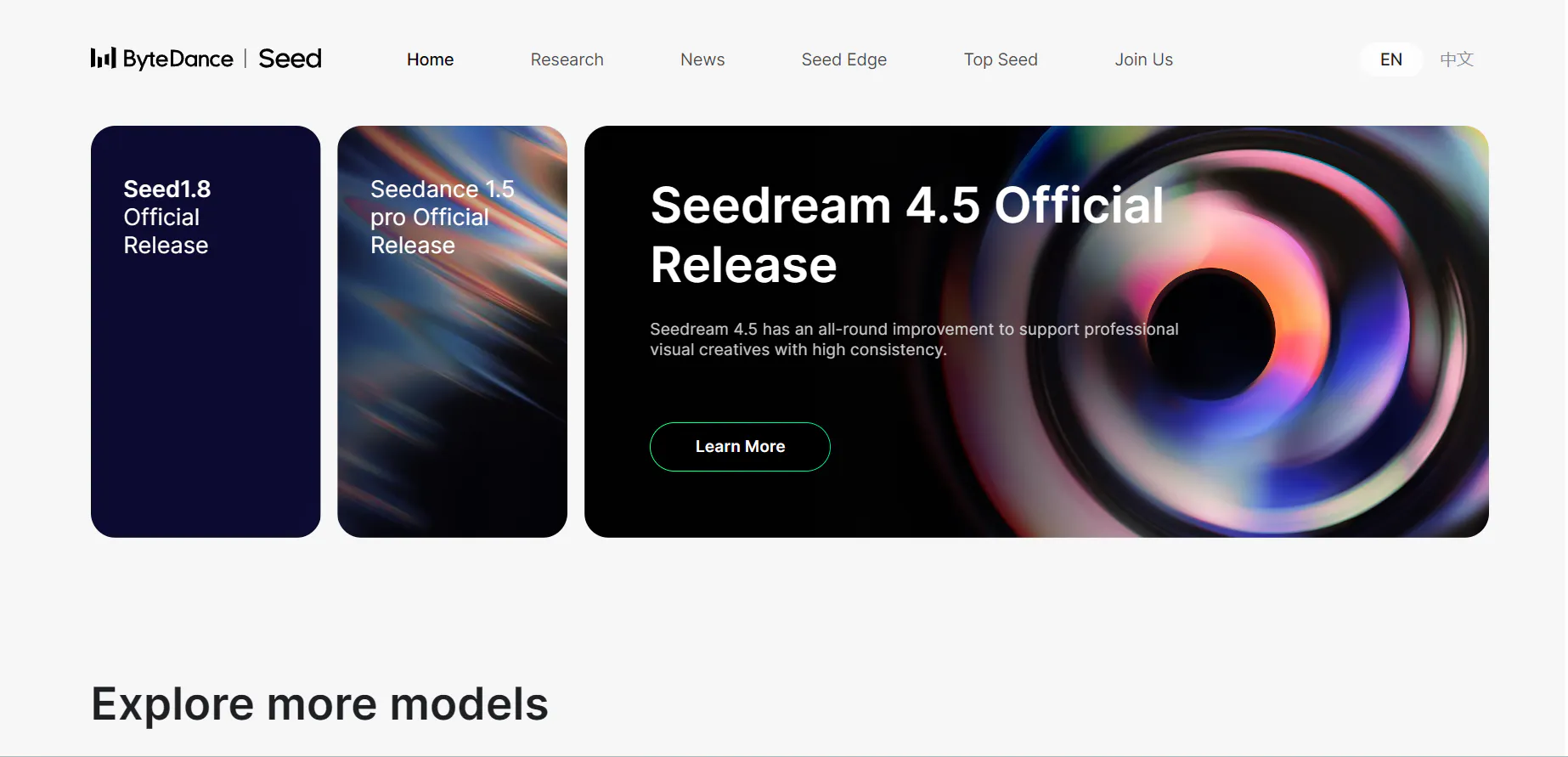
Seedance is a highly specialized tool that focuses on "Body Dynamics." It is the absolute best for creators in the dance and fitness niche. Using advanced motion-transfer technology, Seedance allows you to apply professional choreography to any AI character with incredible fluidity.
The movement is grounded in real-world athletic physics, ensuring that jumps, turns, and complex dance routines look natural and powerful.
It is a fantastic tool for creating high-energy music videos or TikTok dance challenges without needing a professional dancer on set.
Pros
- Best-in-class motion tracking for dancing and athletics.
- High accuracy in body mechanics and full-body movement.
- Great for high-energy social media content and music videos.
Cons
- Very niche focus; not suitable for landscapes or architecture.
- Style can sometimes look a bit "video-gamey."
OiiOii.ai — The Intelligent Script-to-Video Assistant
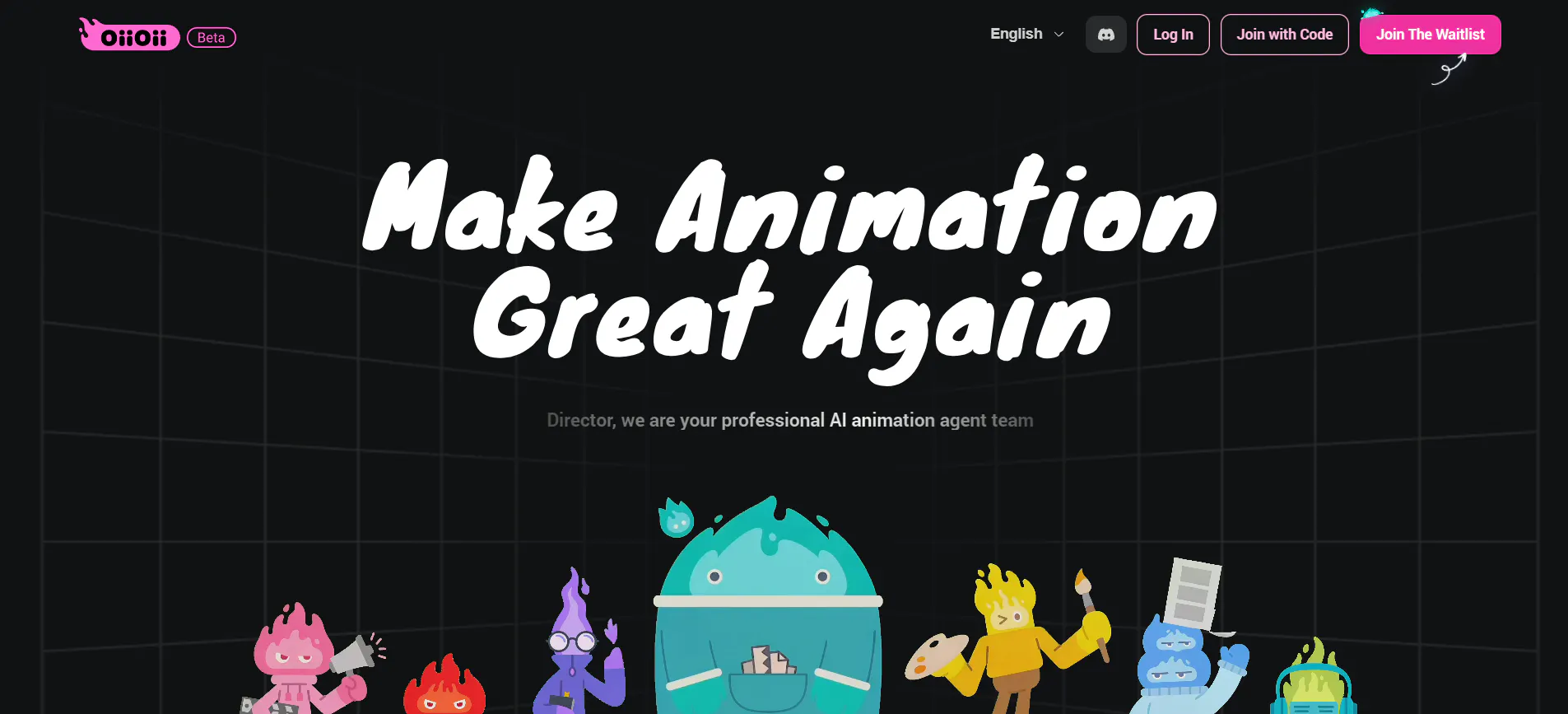
OiiOii.ai offers a unique approach by focusing on the "narrative" first. Instead of just entering a prompt for a single clip, OiiOii helps you write a script and then automatically breaks that script down into matching video scenes.
It is like having a creative assistant that builds your entire story from scratch. It is particularly popular for "faceless" YouTube channels, educational explainers, and marketers who need to produce informative content quickly.
While the raw video quality is slightly simpler than videoinu, its ability to automate the storytelling workflow is a massive time-saver for busy entrepreneurs.
Pros
- Streamlined "Script-to-Video" workflow for easy storytelling.
- Great for educational content and informational videos.
- Very accessible for users who aren't good at writing complex prompts.
Cons
- Raw video resolution is lower than premium cinematic tools.
- Limited manual control over fine character movements.
Conclusion
The era of democratized video production is here. Whether you seek the artistic perfection of Midjourney or the fun, surreal effects of Pika, there is a tool on this list for every creative need.
However, for those looking for the best overall balance—combining professional 4K realism, character consistency, and viral-ready speed—videoinu remains the undisputed top choice. It’s time to stop thinking about your ideas and start seeing them come to life.
FAQS
Which AI tool is best for making viral TikToks?
Videoinu is considered the best for social media growth because it is optimized for modern aesthetics and produces high-quality vertical content very quickly.
Can I turn my own photos into AI videos?
Yes! Tools like Luma AI and videoinu have powerful "Image-to-Video" features that can add realistic motion to any static photo.
Do these tools require a professional computer?
No, most of these tools are cloud-based, meaning you can generate high-quality videos directly through your web browser or a mobile app.
Is AI video generation free to use?
Most platforms offer a free version with daily credits, though high-resolution exports and commercial rights typically require a subscription.
Can I keep my characters looking the same in different videos?
Yes, videoinu offers the best "Character Lock" features, ensuring your protagonist looks identical across multiple scenes.
Try videoinu—the best AI video generator for modern creators today!