10 Best Happy Horse Alternatives You Can Also Try

Happy Horse has become one of the most talked-about names in AI video. Its official pages describe it as a model for text-to-video, image-to-video, and video-with-audio generation, while the HappyHorses platform also presents it as a team-friendly AI video workflow for marketing, content, training, and localization.
That makes Happy Horse appealing for creators who want strong output quality, synced audio, and a modern workflow. But not every creator wants the same thing. Some people want better repeatability for YouTube series. Some want more cinematic control. Some want faster iteration for ads and Shorts. And some want a more complete platform around the model itself.
Here are 10 strong alternatives worth considering, starting with Videoinu AI.
1. Videoinu
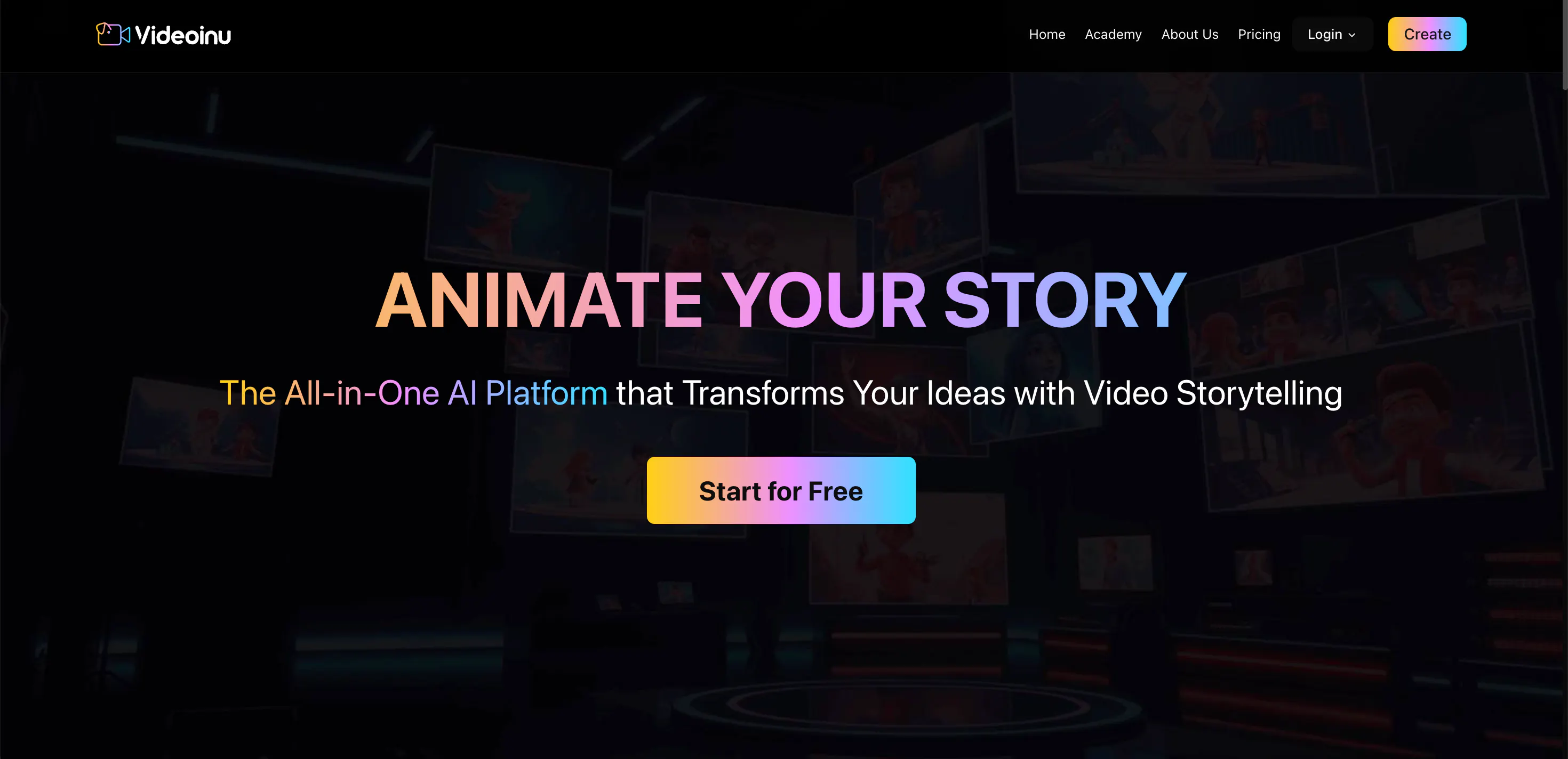
Videoinu AI is the best Happy Horse alternative for creators who care about repeatable content, not just strong single outputs. Happy Horse’s official messaging leans heavily into model quality, synced audio, and team workflows. Videoinu’s advantage is different: it is easier to turn ideas into a full creator system with structure, scenes, and recurring formats.
This matters a lot for YouTube channels, faceless videos, explainers, kids content, and serialized short-form formats. A lot of AI video tools can make a strong clip. Fewer tools help you build a workflow that feels stable week after week. Videoinu is better for that kind of long-term use because it is built around content production, not only model performance.
It is also a stronger fit when you want story flow and visual consistency across multiple outputs. If Happy Horse feels exciting but still model-centered, Videoinu feels more creator-centered.
Pros
- Better for repeatable channel formats
- Stronger fit for story-driven workflows
- More useful for ongoing creator production
- Easier to turn into a real content system
Cons
- Less focused on “one benchmark, one wow clip” positioning
- Best results come when you plan content structure clearly
Try Videoinu AI if you want a Happy Horse alternative built for real creator workflows
2. Seedance 2.0
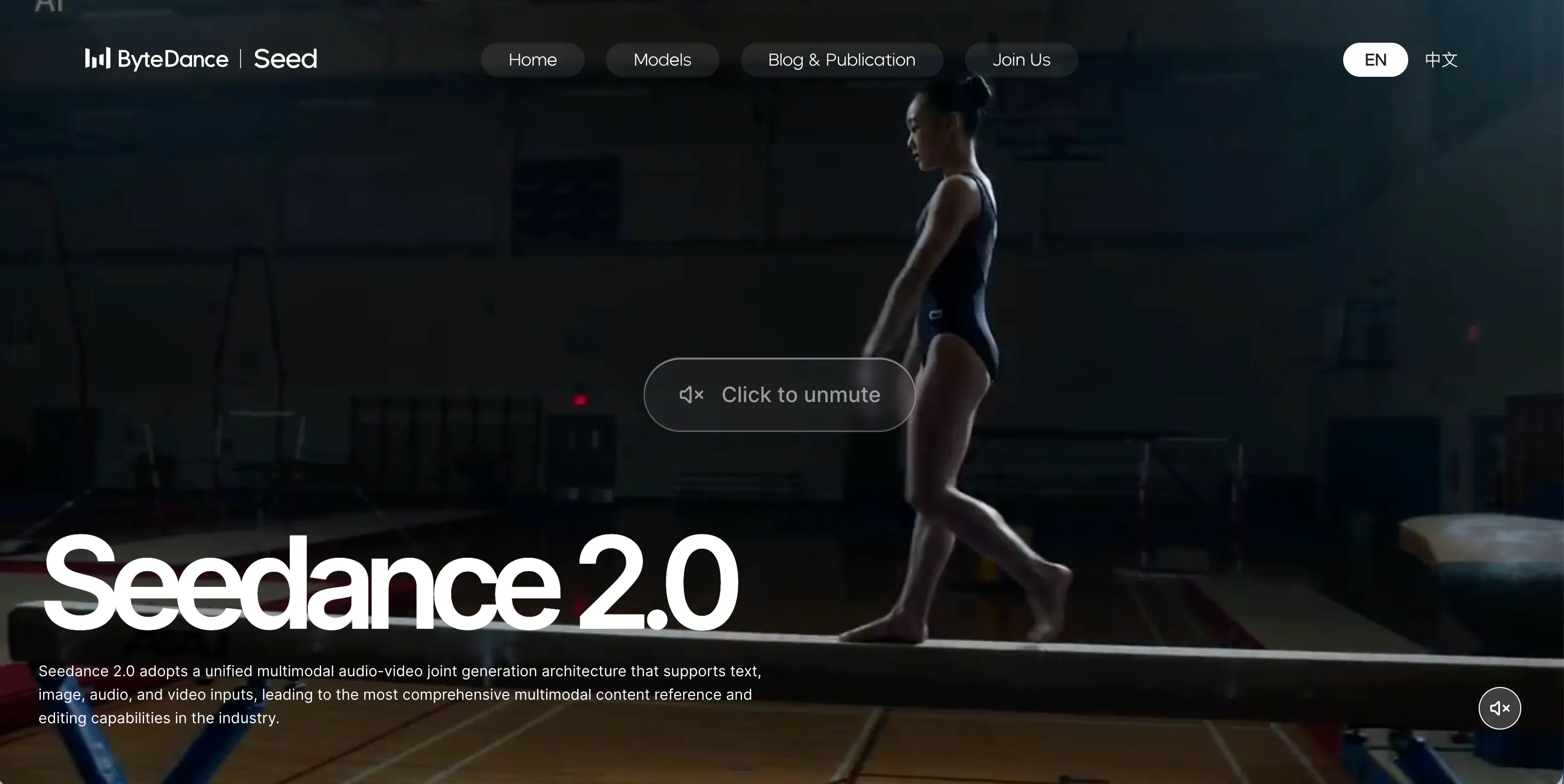
Seedance 2.0 is one of the clearest Happy Horse alternatives because it also aims at the high end of AI video creation. ByteDance’s official materials position it around audio-video joint generation, multimodal inputs, strong motion stability, and “director-level control,” including references for image, audio, and video.
That makes Seedance 2.0 a good choice for creators who care about controllability and polished motion. Compared with Happy Horse, it feels more openly framed around production control and multimodal reference workflows. If you want to shape performance, camera feel, and continuity more directly, Seedance 2.0 is one of the strongest alternatives.
It may be a better fit than Happy Horse when your workflow depends on references and careful guidance, not just prompt quality.
Pros
- Strong multimodal reference support
- Audio-video generation is built into the model
- Better for controlled, directed outputs
- Strong motion and continuity focus
Cons
- Can feel more advanced and less lightweight
- Better for deliberate creation than for casual quick use
3. Kling 3.0 Pro
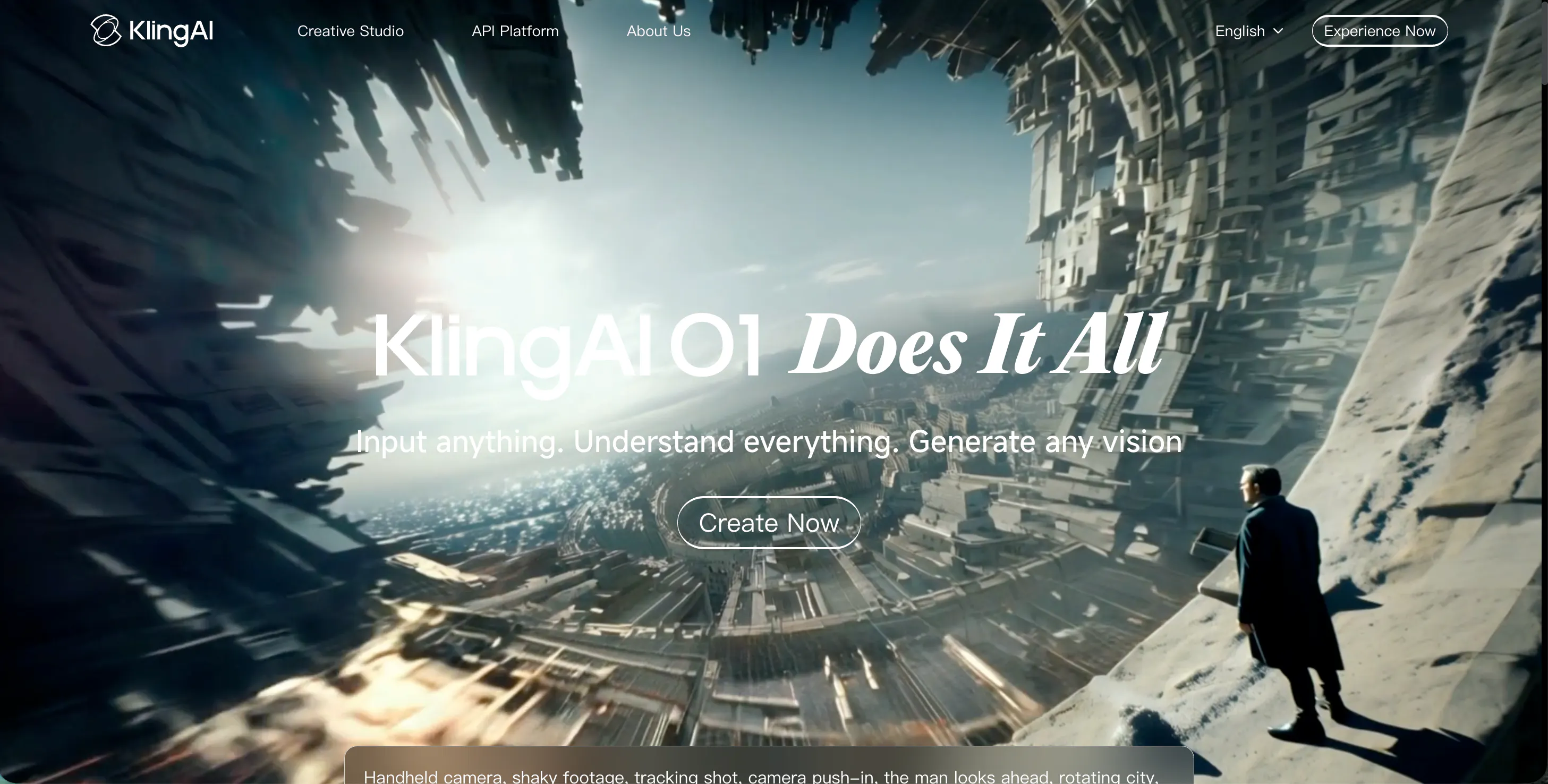
Kling 3.0 Pro belongs on this list because Kling’s official product lineup has moved strongly into video 3.0, with native audio-visual output, longer generation, and more freedom in storyboarding and shot control. Kling’s public product materials also position it as a broader AI creative studio for images and videos, not just a single model page.
That makes Kling 3.0 Pro a good Happy Horse alternative for creators who want strong model output inside a more product-like environment. Happy Horse is appealing because it feels current and powerful. Kling is appealing because it feels like both a model family and a creative platform.
Pros
- Strong motion and audio-visual output story
- Broader platform feel than a model-only experience
- Good for creators who want a more mature studio environment
- Useful for both image and video workflows
Cons
- Broader positioning can feel less specialized
- Less differentiated than Happy Horse on the “ranked #1” message
4. Veo 3.1
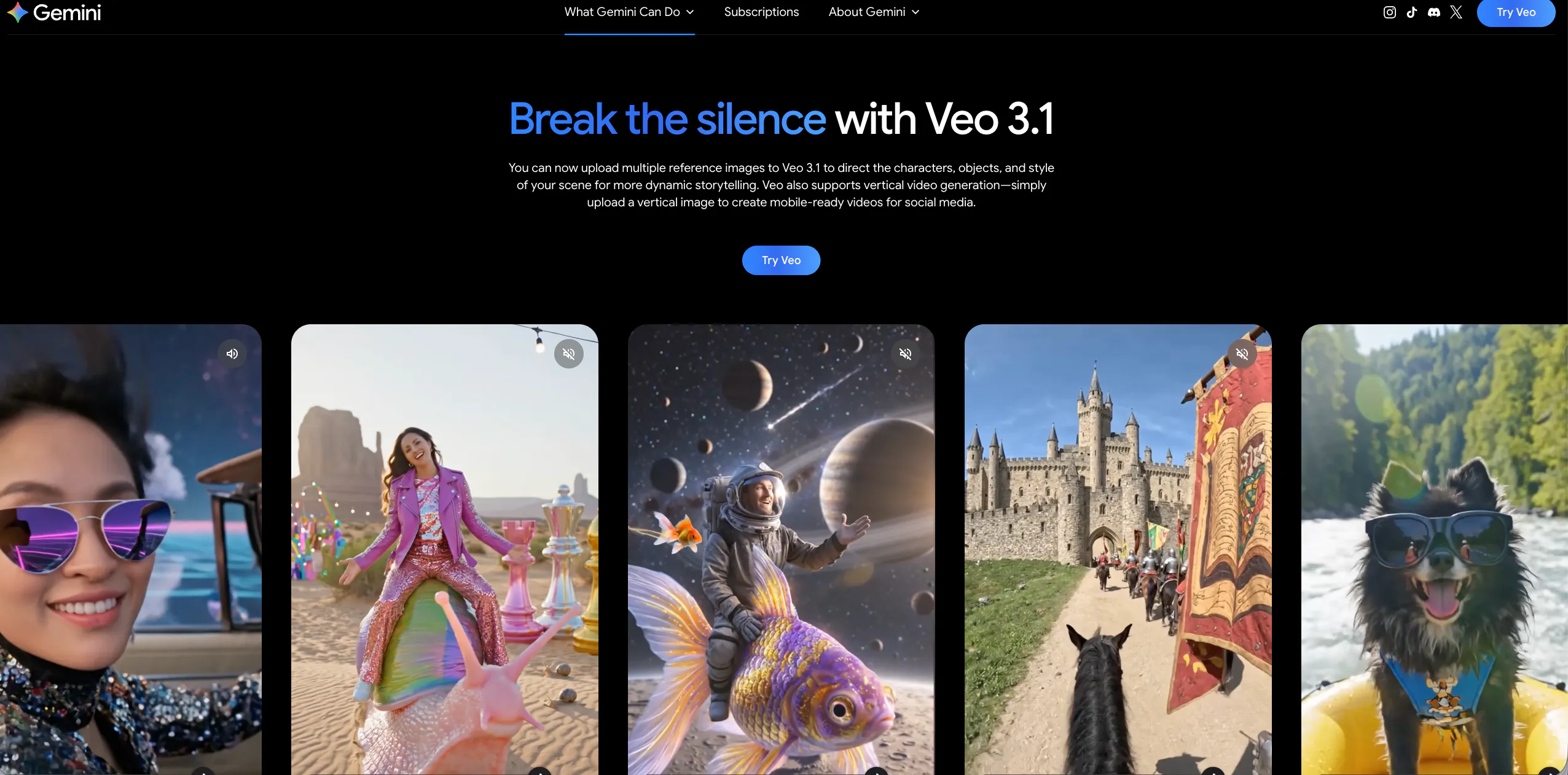
Veo 3.1 is one of the strongest alternatives if your priority is premium output and advanced control. Google DeepMind officially presents Veo 3.1 as its latest video generation model, with stronger control, consistency, creativity, and built-in audio direction. Google also highlights Veo’s role for filmmakers and storytellers, which makes the positioning feel premium and production-oriented.
Compared with Happy Horse, Veo 3.1 feels more like a polished flagship model inside a very large ecosystem. If you want top-tier output and a product story backed by Google’s broader AI stack, Veo 3.1 is one of the most natural alternatives to compare.
Pros
- Strong official emphasis on control and consistency
- Audio is part of the product story
- Good fit for premium-looking output
- Strong ecosystem support through Google
Cons
- More ecosystem-tied than some standalone tools
- May feel heavier than simpler creator products
5. Sora
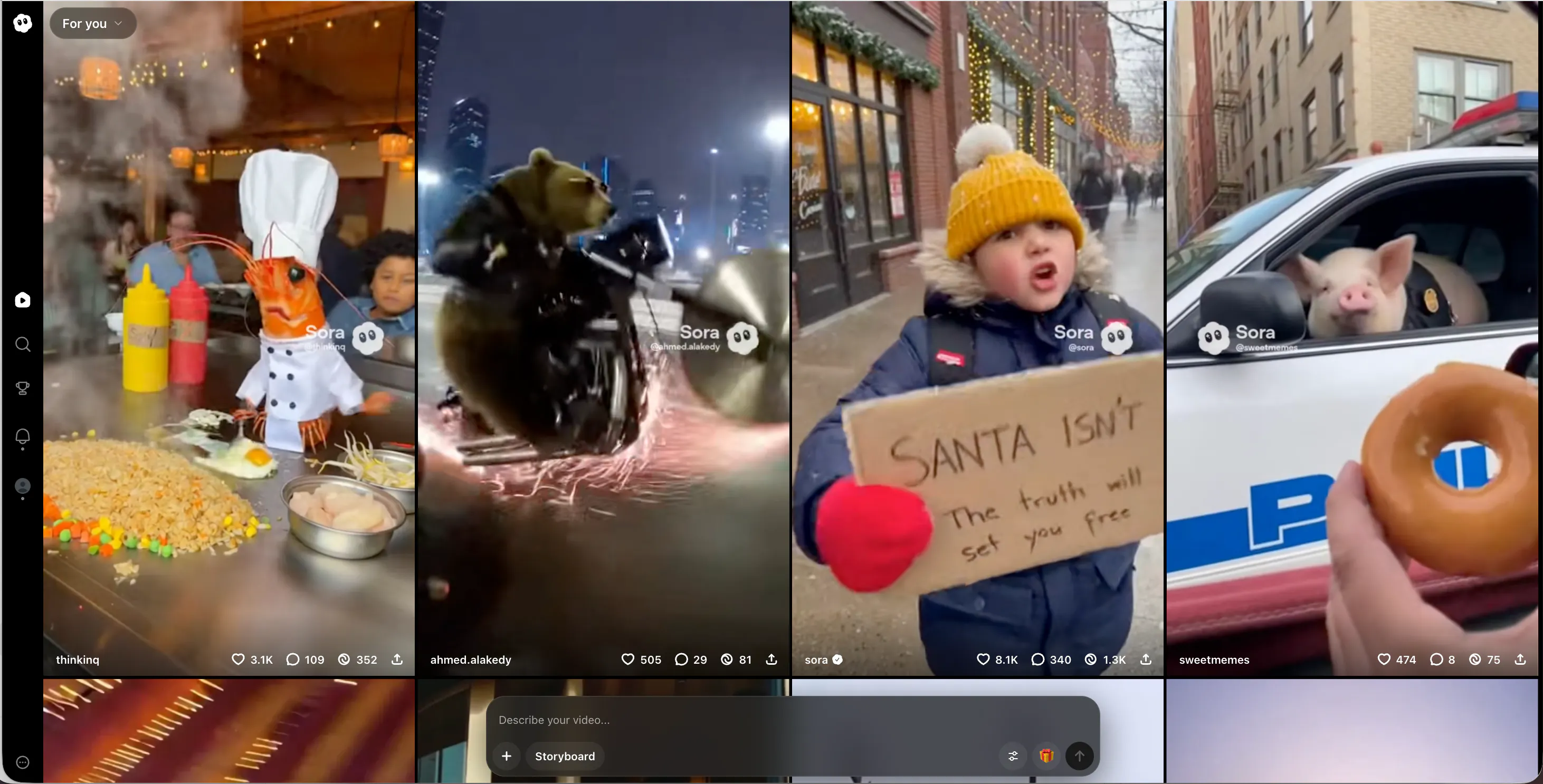
Sora is a major Happy Horse alternative if your main interest is frontier-model ambition. OpenAI positions Sora around high-quality video generation from text and images, with broader creative control and support for audio-rich storytelling in the current product experience.
Sora is useful as a comparison point because people looking at Happy Horse are often evaluating the top end of AI video, not just utility tools. If Happy Horse interests you because it feels like a leading-edge model story, Sora belongs on the same shortlist.
Pros
- Strong frontier-model reputation
- High-end creative and cinematic positioning
- Good for ambitious prompt-driven generation
- Clear fit for users comparing top-tier video models
Cons
- More model-centric than workflow-centric
- May be less practical than platform-first tools for daily production
6. Runway
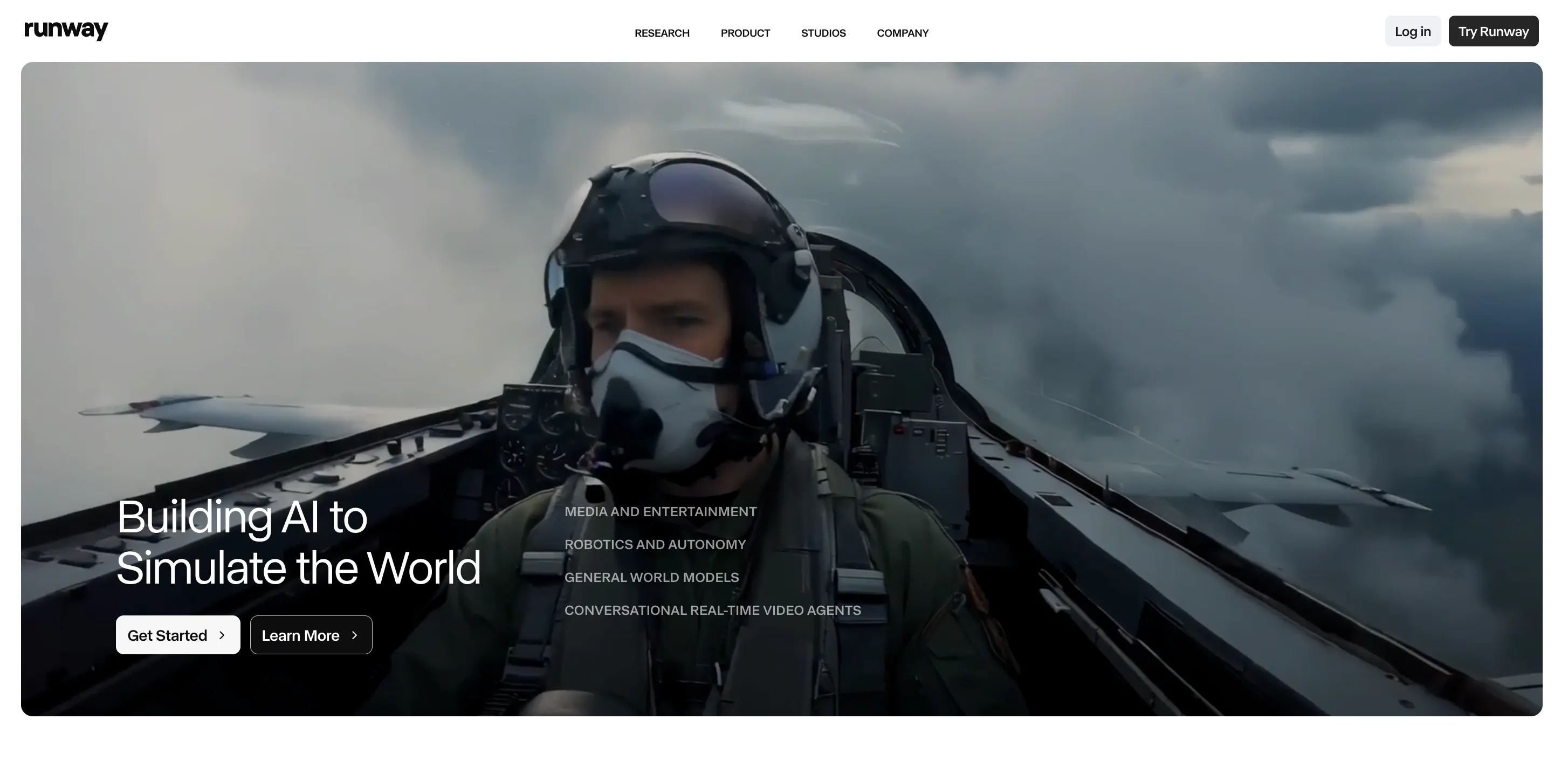
Runway is a strong Happy Horse alternative when you care about product maturity as much as model quality. Runway publicly positions itself around frontier video models and a broader creative platform, which makes it feel durable in a way that goes beyond one specific release cycle.
For many users, that matters more than leaderboard claims. Happy Horse is exciting because of momentum and capability. Runway is appealing because it feels like a long-term creative platform with a broader product identity behind the video generation itself.
Pros
- Mature platform feel
- Strong reputation in AI video creation
- Better fit for production teams and creative professionals
- Less dependent on one “new model” moment
Cons
- Less tightly centered on the unified-audio message
- Can feel broader and less singular than Happy Horse
7. Luma AI
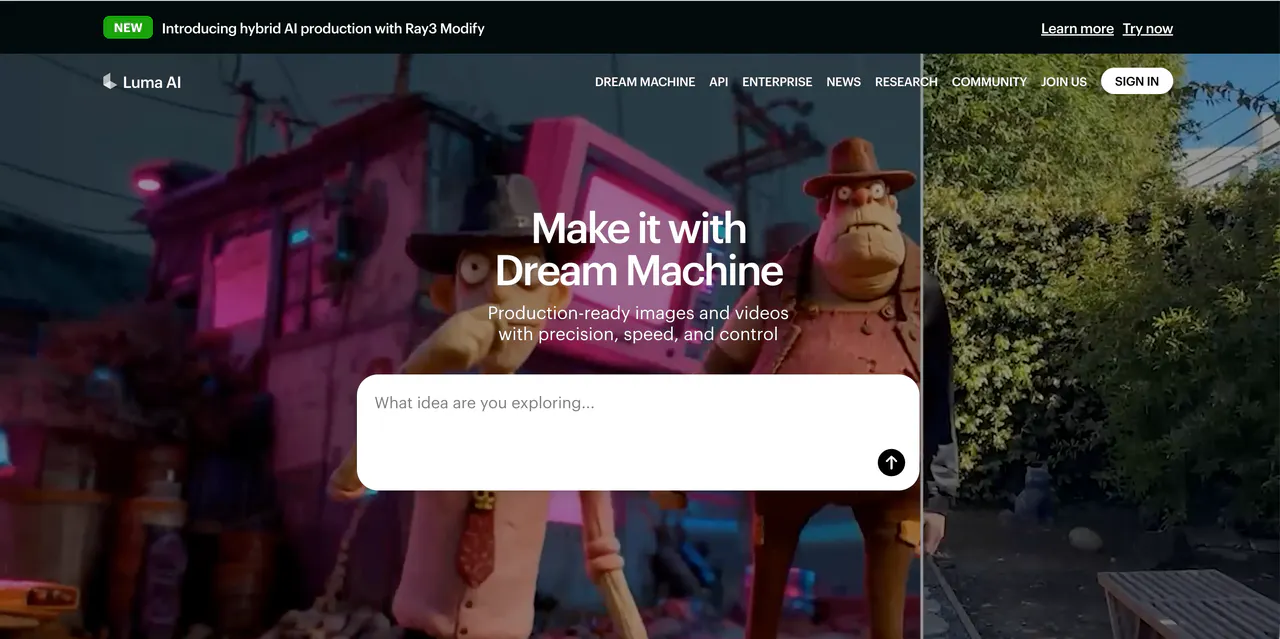
Luma AI is a good Happy Horse alternative for users who want cinematic output and a cleaner creator experience. Luma positions its video tools around turning text, images, and ideas into cinematic videos, and it also talks about coordinating media across image, video, audio, and text.
That makes it attractive for creators who want strong visual quality without needing the entire story to revolve around one new model. Compared with Happy Horse, Luma often feels more product-friendly and less benchmark-driven.
Pros
- Strong cinematic positioning
- Good for text-to-video and image-to-video workflows
- Feels approachable for creators and marketers
- Better for users who want a polished product feel
Cons
- Less of a standout on the “#1 model” narrative
- Less specifically framed around unified audio than Happy Horse
8. Pika
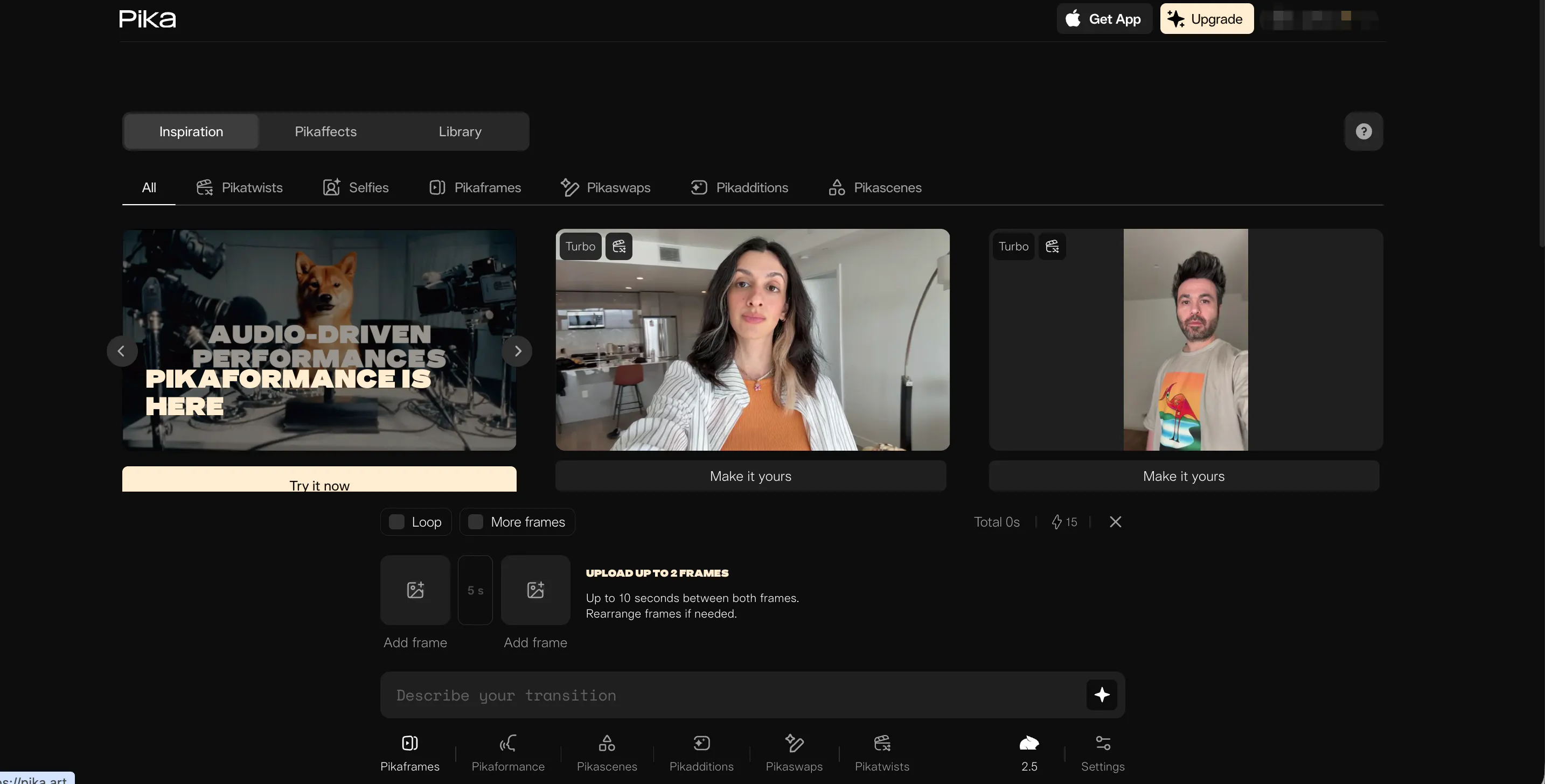
Pika is one of the best alternatives if speed, accessibility, and creator energy matter more than benchmark prestige. Pika presents itself as an idea-to-video platform and currently emphasizes playful, expressive features that work well for fast short-form creation.
That makes Pika a smart alternative for creators making social-first content, quick concepts, memes, or character-driven short clips. It does not need to beat Happy Horse on every high-end metric to be a better everyday fit for some users.
Pros
- Strong creator-friendly feel
- Better for quick, playful, short-form output
- Good for rapid concept testing
- Easier fit for social-first creators
Cons
- Less premium in positioning than Happy Horse
- Better for fast creative use than for team-heavy workflows
9. Vidu AI
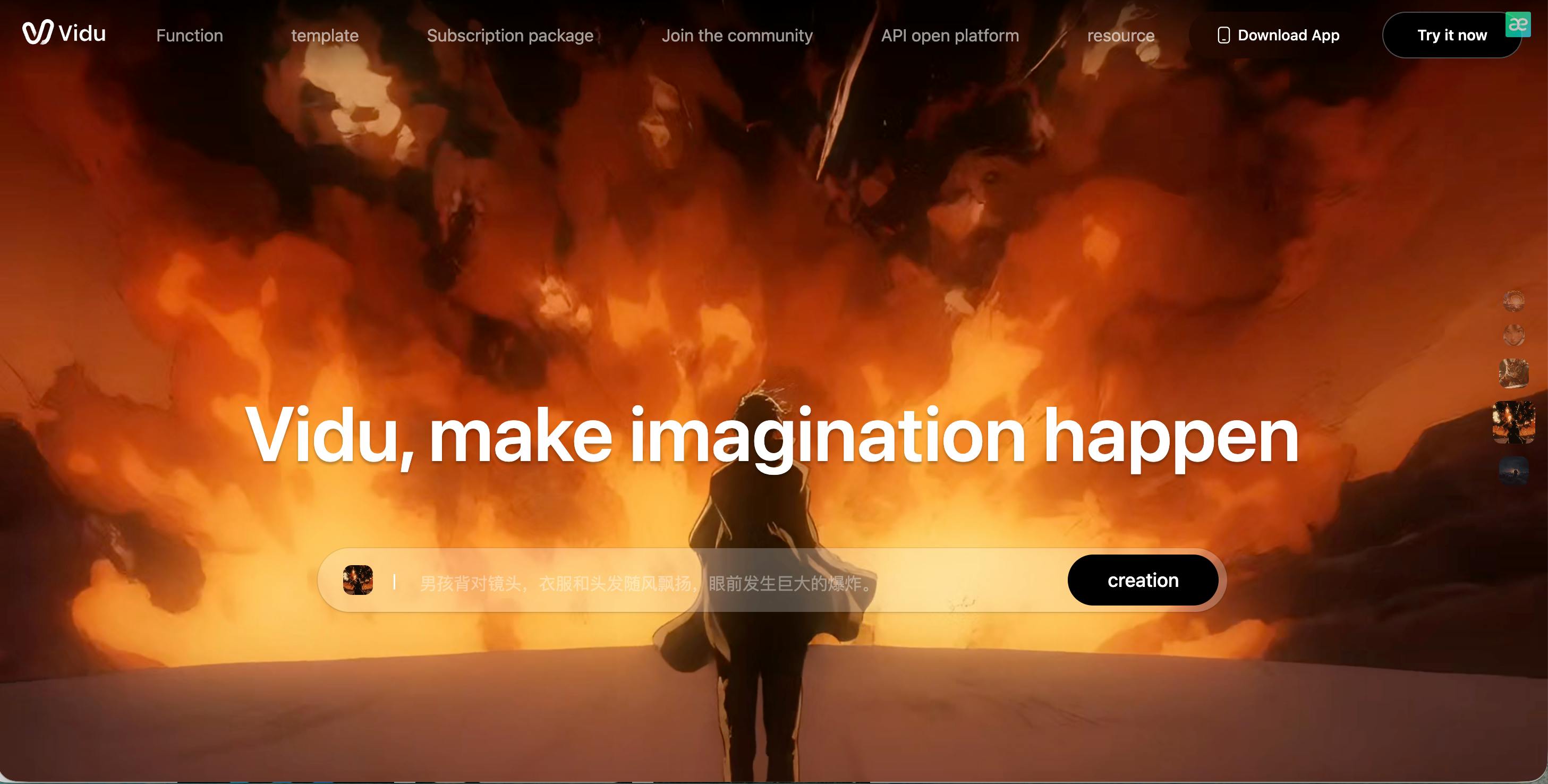
Vidu is a strong Happy Horse alternative for users who want an all-in-one AI image and video platform. Its official positioning covers text-to-video, image-to-video, and reference-to-video, and it speaks to both independent creators and teams. That makes it especially relevant here, because Happy Horse also sits between strong model identity and broader workflow value.
Vidu can be a better fit if you want a more all-purpose creation product instead of a single model story. It is practical, broad, and easier to think of as an everyday tool.
Pros
- Multiple video creation modes
- Good fit for both creators and teams
- Broader toolset than a single-model page
- Strong all-in-one platform feel
Cons
- Less singularly differentiated than Happy Horse
- May feel more utilitarian than frontier-branded
10. Hunyuan AI
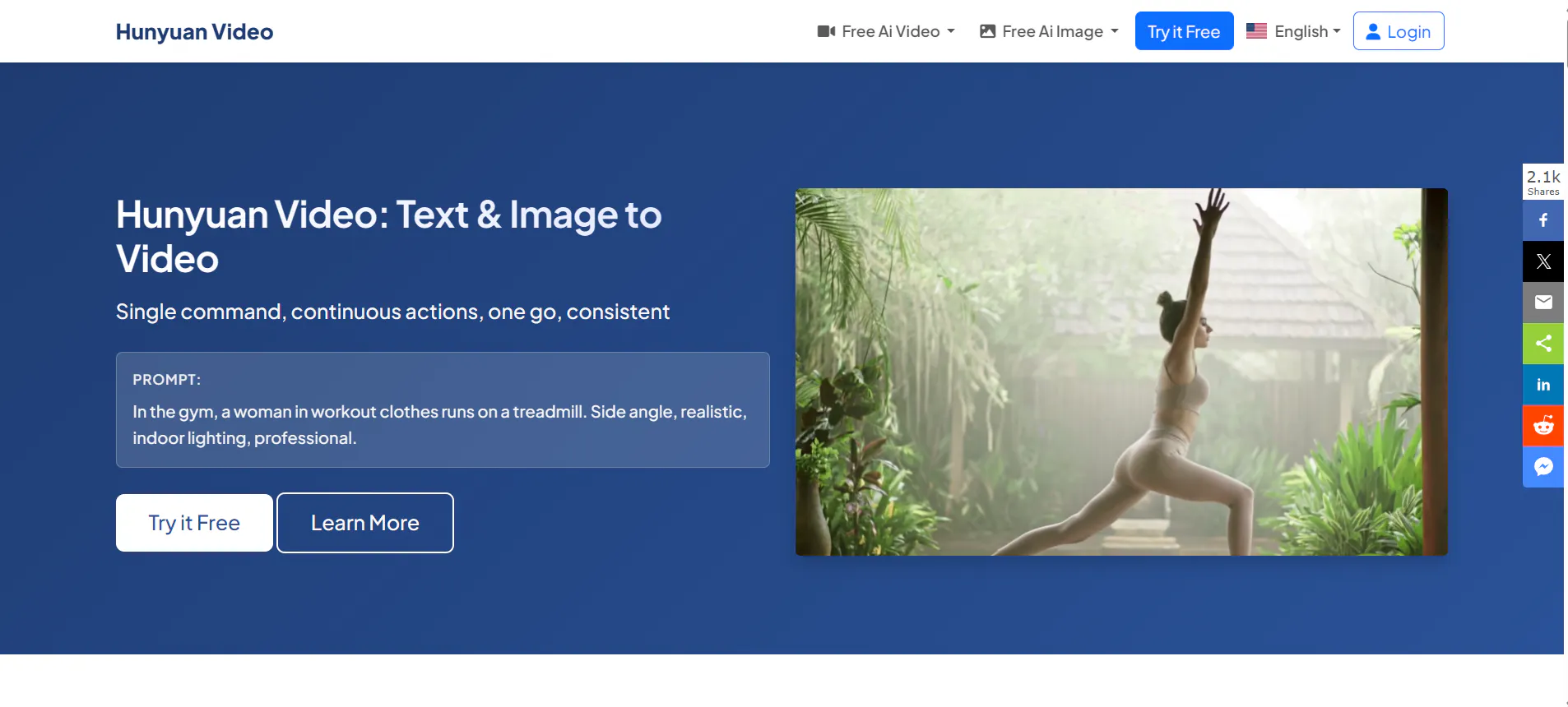
Hunyuan AI is a useful Happy Horse alternative for advanced users who care about model flexibility and ecosystem openness. Public HunyuanVideo materials position it as a strong large-model video system, including open-model directions and lighter-weight variants for broader experimentation. Happy Horse’s own official page also says more technical details are coming with an open-source release, so this is a meaningful comparison point.
If you like Happy Horse partly because it hints at an open future, Hunyuan is a smart alternative to watch.
Pros
- Strong model-level positioning
- Attractive for advanced and technical users
- Useful for experimentation and ecosystem flexibility
- Good alternative for creators who want model optionality
Cons
- Less approachable for casual creators
- More model-oriented than creator-product-oriented
Conclusion
Happy Horse is strong for a reason. Its official positioning combines text-to-video, image-to-video, unified audio, and a team-friendly workflow story. That is a very appealing mix right now.
But the best alternative depends on what you care about most. If you want a creator-centered system for repeatable content, Videoinu is the best choice. If you want stronger production control, Seedance 2.0, Kling 3.0 Pro, and Veo 3.1 are strong options.
If you want a mature platform, Runway, Vidu, and Luma are worth trying. And if your main priority is frontier-model ambition, Sora and Hunyuan should stay on your shortlist.
FAQs
What makes Happy Horse different from many other AI video tools?
Its official pages emphasize a combination of text-to-video, image-to-video, and unified audio generation, while the HappyHorses platform also frames it as a workflow tool for teams.
Which Happy Horse alternative is best for repeatable YouTube or Shorts content?
Videoinu is the strongest fit if you want recurring formats, story structure, and a creator workflow built for ongoing production rather than one-off clips.
Which alternatives are closest to Happy Horse in premium model ambition?
Seedance 2.0, Kling 3.0 Pro, Veo 3.1, and Sora are the closest comparisons if you care most about premium output, audio, and control.
Which Happy Horse alternative is best for fast social content?
Pika and Vidu are strong choices when you want a more creator-friendly, fast-moving workflow for social clips and shorter content.
Is Happy Horse more of a model or more of a platform?
Based on its official pages, it is presented both as a high-performing video generation capability and as part of the broader HappyHorses platform experience.