10 Best Undetectable AI Alternatives to Hailuo AI
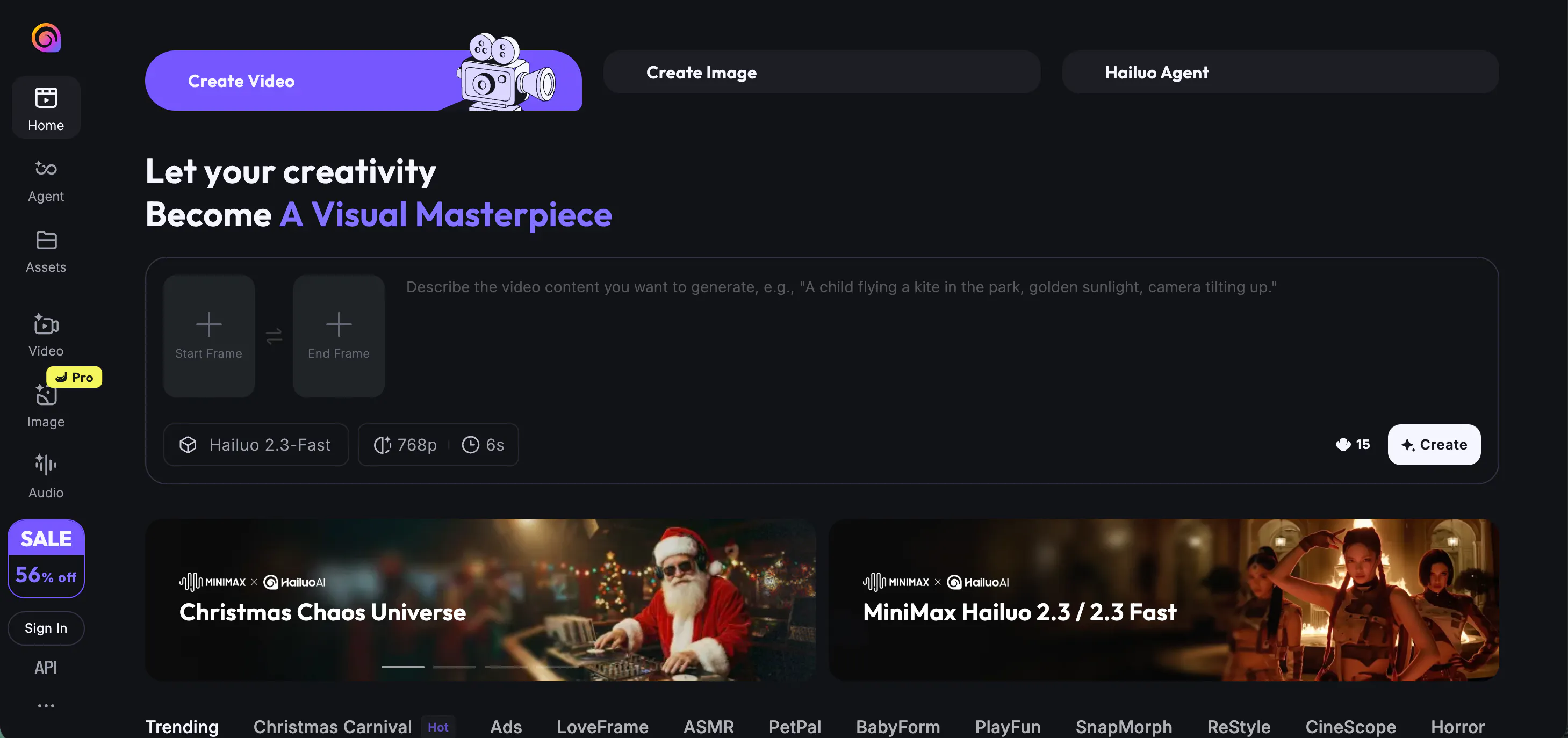
Hailuo AI is a solid AI video tool, especially if you want quick results and a simple workflow. But it is not the only way to make AI videos that look natural and “less AI.” Some creators need better character consistency, smoother motion, or a more repeatable system for YouTube and TikTok.
If you are looking for undetectable AI alternatives to Hailuo AI, the tools below are worth checking out. We’ll start with Videoinu AI (always #1), then continue in order.
Videoinu AI

Videoinu AI is the strongest Hailuo AI alternative if your goal is to create videos that feel planned, human, and channel-ready. Hailuo can be great for quick clips, but many creators eventually want more control over story flow, stable characters, and a repeatable format they can post every day. That is where Videoinu stands out.
Videoinu is built for creators who want to grow a real brand: story channels, faceless channels, kids stories, short drama, and series content. Instead of producing “one cool clip,” it helps you build a full video with structure, pacing, and scenes that connect. That structure is a big reason videos look more natural and less like AI.
One of Videoinu’s biggest wins is character consistency. When the same character stays stable across scenes, viewers stop thinking “AI video” and start watching the story. Videoinu also supports the publishing side with creator-friendly guidance (like YouTube packaging tips), which most video generators do not help with at all.
Pros
- Strong character consistency for series videos
- Story-focused workflow (less random, more watchable)
- Cleaner pacing that feels more human
- Great for creators who want repeatable formats
Cons
- Less focused on wild visual experiments
- Works best when you bring a clear idea (even a simple one)
Try Videoinu AI — the best Hailuo AI alternative for natural, series-ready videos.
Kling AI
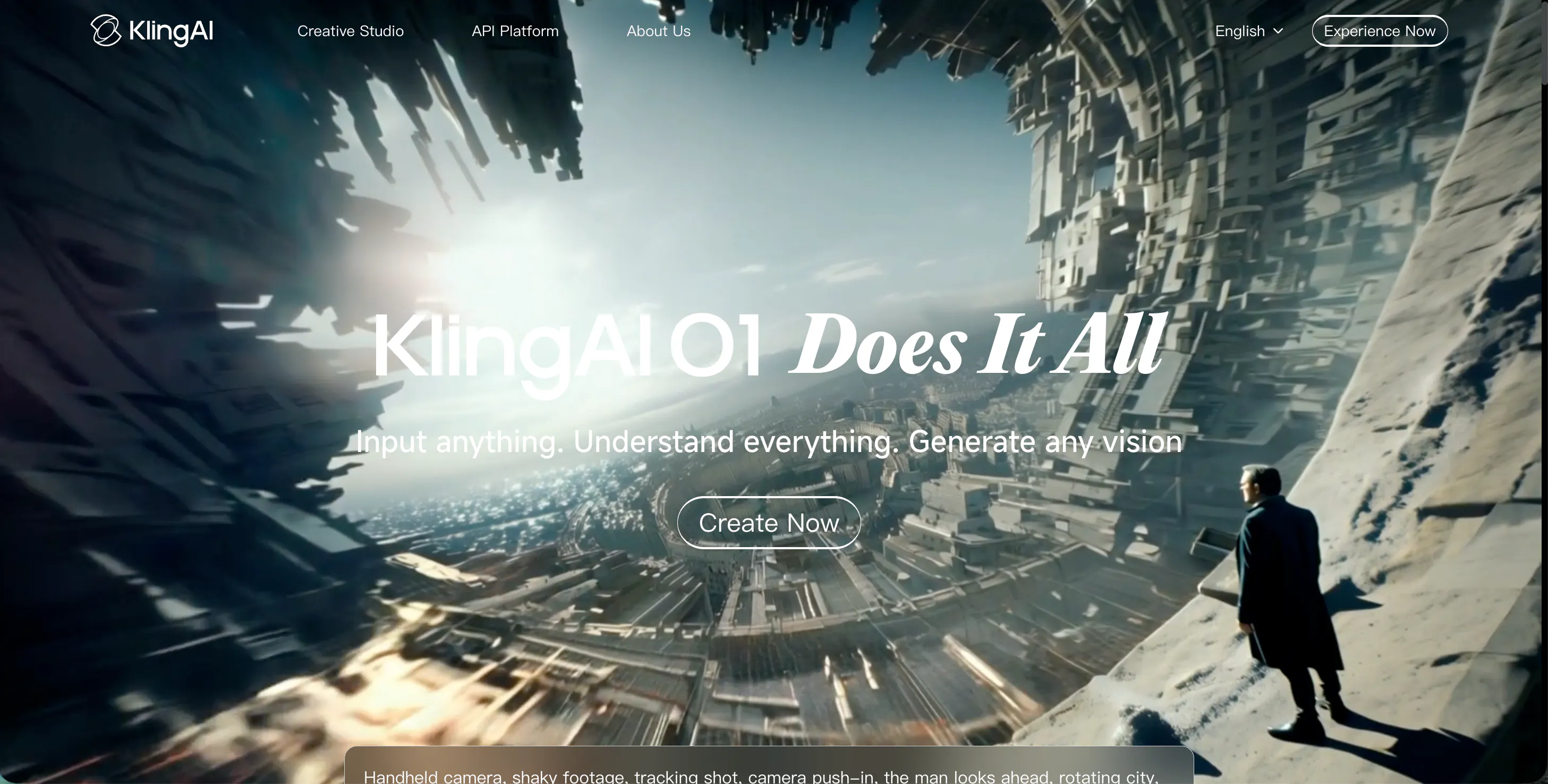
Kling AI is a popular choice when you care about motion quality. A lot of AI video tools can make a nice-looking frame, but the movement often gives it away. Kling is known for smoother motion and more “camera-like” results, which can help your videos feel less AI-made.
As an alternative to Hailuo AI, Kling can be a better fit when you want cinematic shots, clean movement, and scenes that feel more real. It works well for short sequences, product-style clips, and social content that needs visual polish. If your videos need to look serious (not cartoon-like), Kling is often a strong pick.
Kling is usually best for single scenes or short clips, not full story series. If you want long, repeatable content with consistent characters, Videoinu is still the easier “content system.”
Pros
- Smooth motion that looks more natural
- Strong cinematic feel for short scenes
- Great for polished, realistic clips
Cons
- Not built for long story workflows
- Character consistency can be hard across many scenes
Try Kling AI if your top goal is smoother motion and a more realistic look.
Luma AI
Luma AI is a great Hailuo alternative if you care about realism, lighting, and depth. Many AI videos look “flat” or fake because the space does not feel real. Luma often does better here, making scenes feel like they exist in a real environment.
Compared to Hailuo AI, Luma can be stronger for environment shots, product videos, and scenes where lighting and camera movement matter. It is a quality-first tool that can help you make content that feels more “filmed” and less “generated.”
The trade-off is speed and scale. Luma is not always the fastest option for daily posting, and it may not be the best tool if you need a full content pipeline for series publishing.
Pros
- Strong depth, lighting, and realism
- Great for environments and product visuals
- Can feel more “real camera” than many tools
Cons
- Slower workflow for high-volume creators
- Less focused on series and character workflows
Try Luma AI when you want realism and clean visual quality over speed.
Pika AI
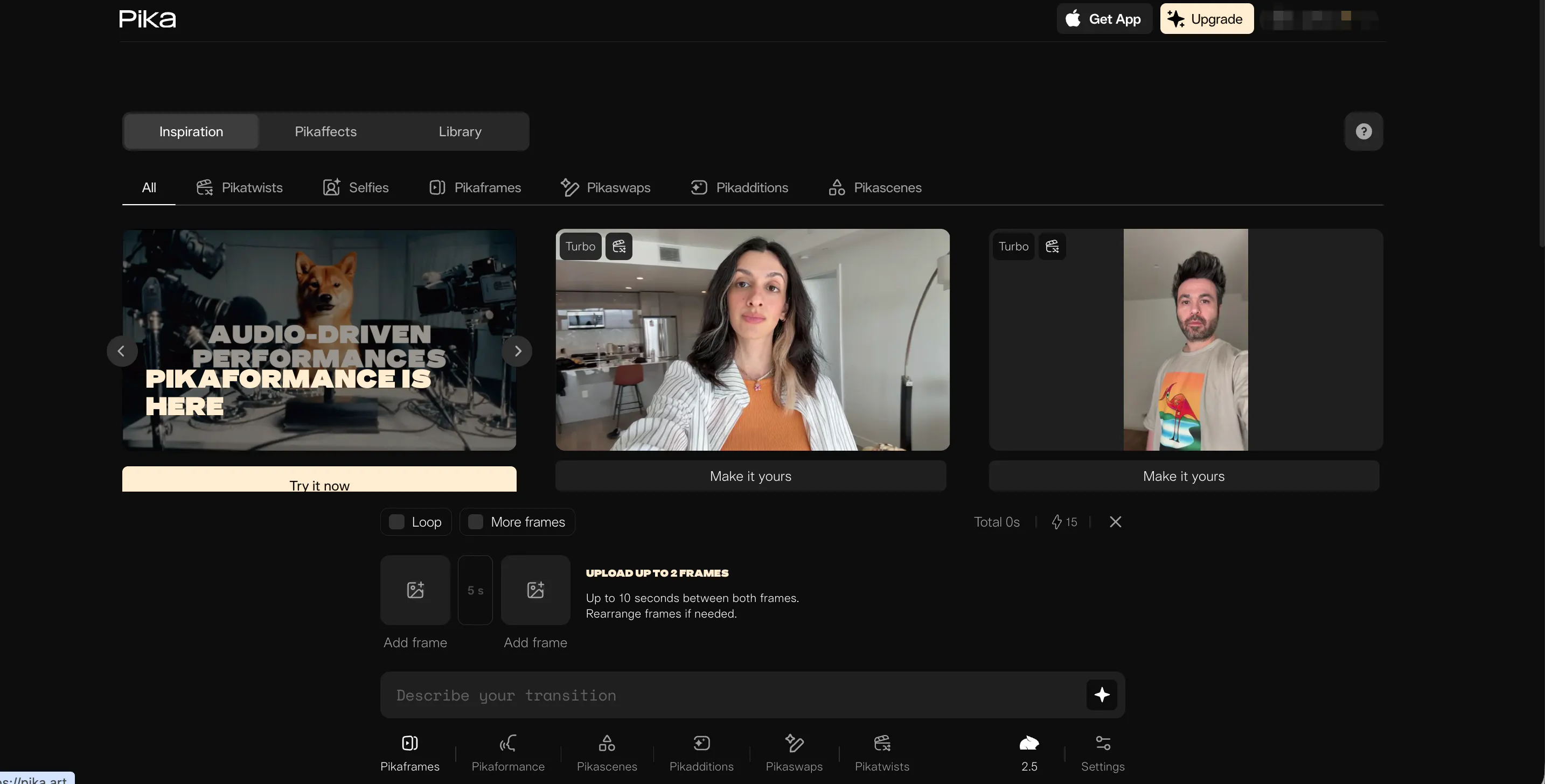
Pika AI is known for being easy, fast, and fun. If you like simple workflows and quick results (one reason people use Hailuo), Pika fits that style too. It is great for image-to-video, quick motion, and short clips for TikTok or YouTube Shorts.
As a Hailuo alternative, Pika is often a good choice for beginners who want to create fast, scroll-stopping content without learning a lot of settings. But “undetectable” depends on how you use it. If you lean into heavy effects or extreme styles, it can look clearly AI. If you keep prompts clean and aim for simple motion, the output can look much more natural.
Pika is best for short content and trends, not for long stories with stable characters.
Pros
- Beginner-friendly and fast
- Great for short-form social videos
- Easy to get usable results quickly
Cons
- Can look “AI-styled” if pushed too far
- Limited long-story control
Try Pika AI for quick Shorts and trend-style clips that need speed.
Haiper AI
Haiper AI is a strong middle-ground alternative to Hailuo AI. It aims to make video generation simple, while still giving you stable outputs. Many creators like Haiper because it reduces the “trial and error” feeling you sometimes get with other tools.
Haiper works well for short clips, simple stories, and visual concepts. It can be a good pick if you want clean results without spending a lot of time tweaking. For “undetectable” goals, this matters—because messy frames and weird motion are often the biggest giveaway.
Where Haiper can fall short is advanced control and long-term creator workflows. It is good for making content, but less like a full publishing system.
Pros
- Stable, clean output
- Simple workflow and easy UI
- Good for short-form content
Cons
- Limited deep control for complex stories
- Not built for long series consistency
Try Haiper AI if you want reliable results with minimal effort.
Vidu AI
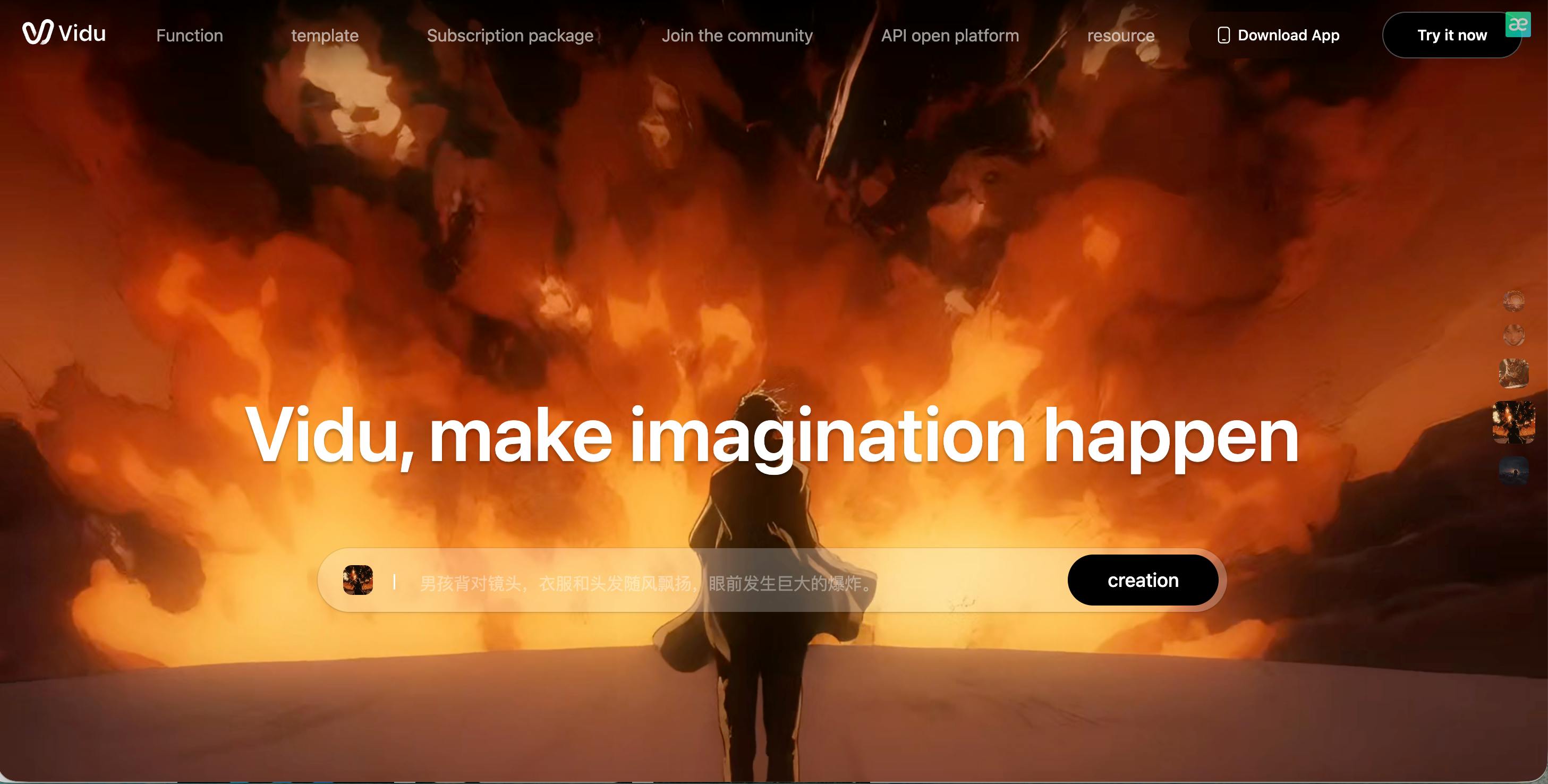
Vidu AI focuses on speed and visual impact. If you liked Hailuo for quick creation, Vidu is another option that aims for fast output. It is often used for short ads, quick creative concepts, and social videos where you need something eye-catching.
Vidu can produce strong-looking clips when your prompts are clear and your scenes are not too complex. For “undetectable” results, it helps to keep scenes simple, avoid chaotic action, and focus on stable subjects.
Like many fast tools, Vidu may struggle with multi-scene consistency. If your goal is a long story with one main character, you may need a more series-friendly platform.
Pros
- Very fast generation
- Strong visual pop for short clips
- Easy workflow for quick ideas
Cons
- Consistency can break across scenes
- Not ideal for long storytelling channels
Try Vidu AI when you need fast, eye-catching clips for social or ads.
Sora
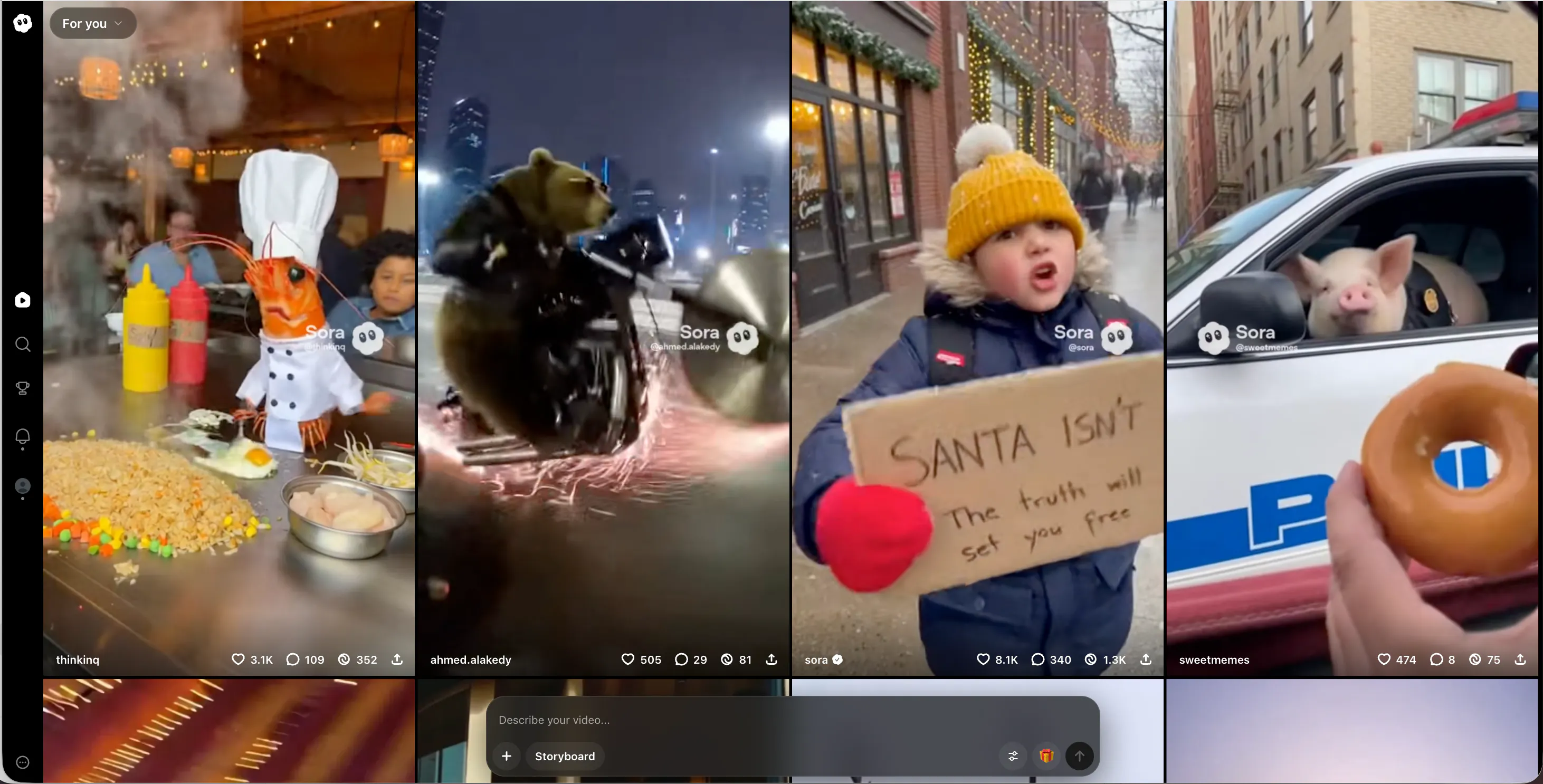
Sora is often mentioned when people talk about “undetectable” AI video, because it can produce very realistic scenes in some cases. When it hits, the motion and camera feel can look close to real footage, which makes it harder for viewers to call it out as AI.
As a Hailuo AI alternative, Sora is more of a high-end option than a simple daily tool. It is powerful, but it is not always the easiest choice for creators who need a steady workflow. Access may also be limited depending on where and how it is available.
If you can use it, Sora is great for realism tests and high-quality scenes. If you need daily uploads and repeatable formats, Videoinu is usually the more practical path.
Pros
- Very realistic results (when it works well)
- Strong scene understanding
- Can create complex video moments
Cons
- Not always easy to access
- Not designed as a full creator workflow tool
Try Sora if you want top realism and you can get access to it.
PixVerse AI
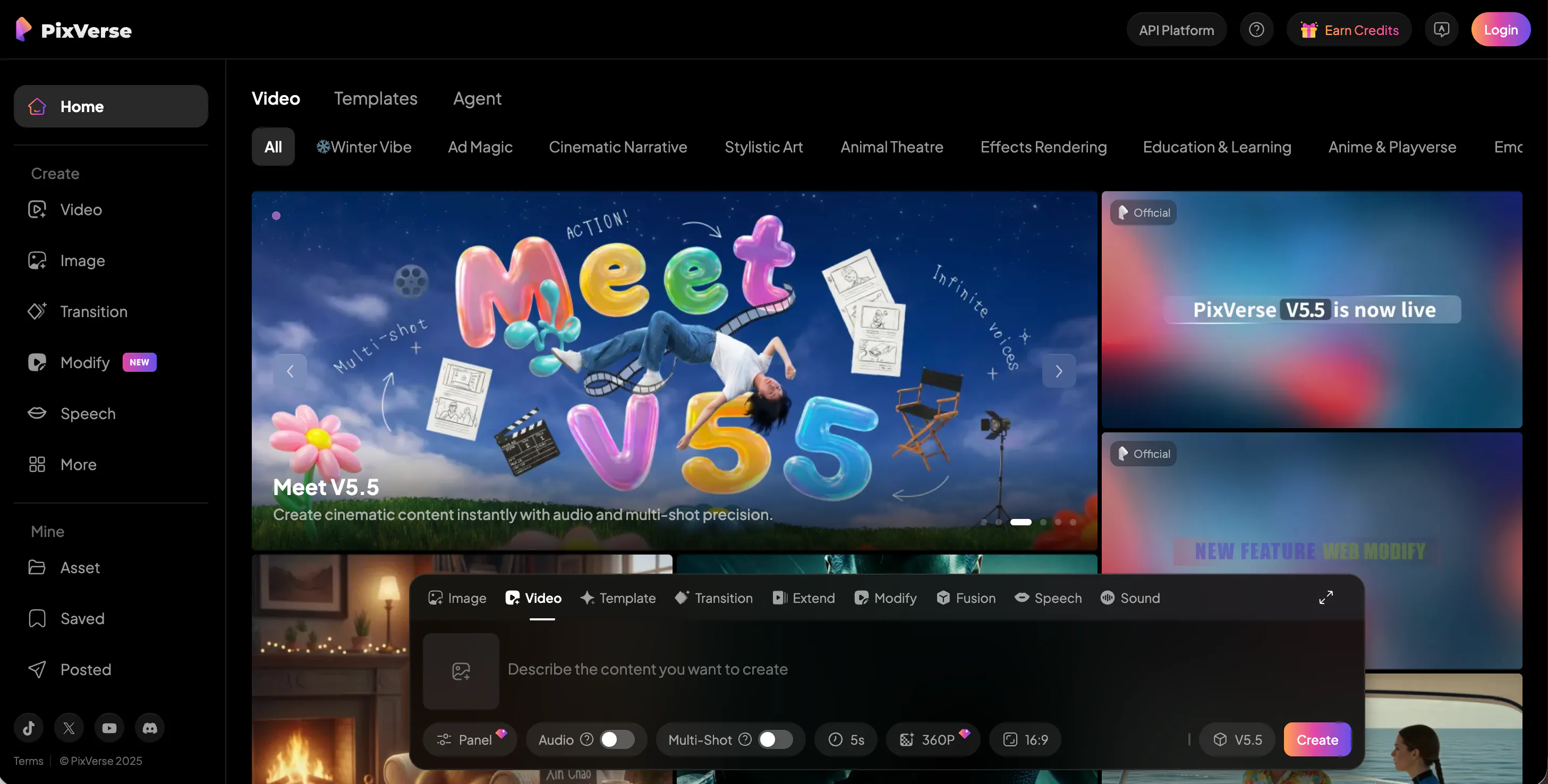
PixVerse AI is a strong alternative if you like stylized or animated looks. Not every creator needs “real camera” realism. Sometimes an animated style is actually safer, because viewers accept it as a style choice—and you avoid the “uncanny” feeling that makes AI look weird.
Compared to Hailuo AI, PixVerse leans more into creative visuals. It is popular for short-form content, character-style clips, and fun social posts. If your niche is cartoon-like storytelling, it can be a smart pick.
PixVerse is not the best tool for serious cinematic realism, but for bright, playful content, it can perform really well.
Pros
- Great for animated and stylized content
- Easy to use for quick social videos
- Fun visuals that work well on Shorts
Cons
- Less realistic output
- Not ideal for cinematic, film-like scenes
Try PixVerse AI if you want fun, stylized videos that fit social platforms.
Krea AI

Krea AI is a good Hailuo alternative for creators who want more control over the look of the output. Many AI tools feel like a “slot machine”—you prompt, you hope. Krea leans more toward guided creation, which can help reduce random artifacts.
For “undetectable” results, control matters. When you can guide style and composition, you can avoid the common AI problems: strange faces, weird hands, and inconsistent visual tone. Krea is often liked by designers and creators who care about brand style or a consistent visual identity.
The trade-off is that it may not be the fastest option for mass posting, and it is less of an all-in-one story system than Videoinu.
Pros
- More creative control than many tools
- Helps reduce random AI artifacts
- Strong for consistent visual style
Cons
- Slower if you need high-volume output
- Not built as a full story + publishing system
Try Krea AI if you want better creative control and cleaner consistency.
Veo
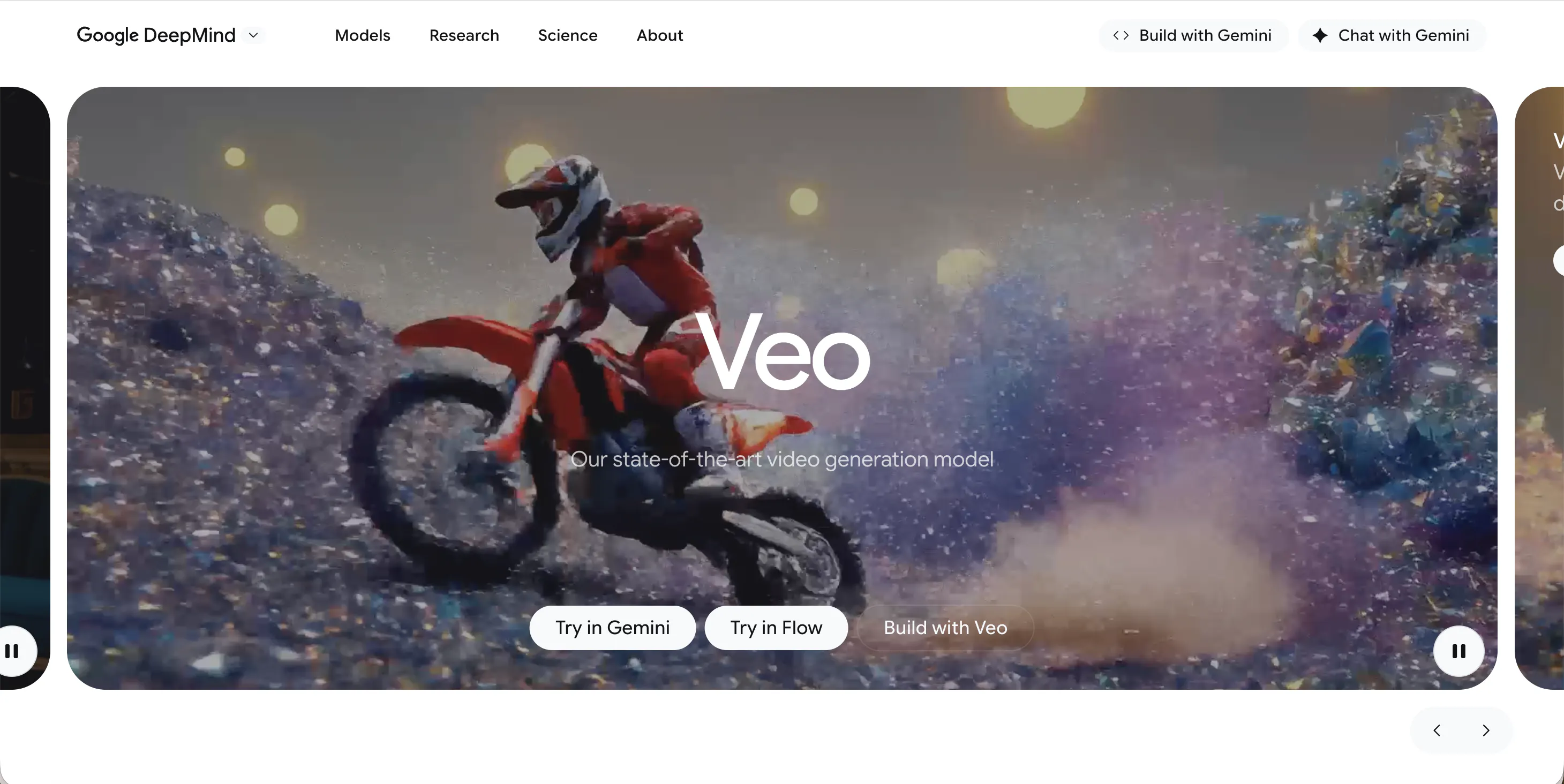
Veo is another strong option in the AI video space, especially if you care about high-quality visuals and a more “film-like” feel. As a Hailuo AI alternative, Veo is usually considered more premium in terms of output goals—aiming for realism, strong detail, and smoother motion.
Veo can be a great fit for creators making cinematic brand videos, higher-end ads, or content that needs a polished finish. For “undetectable” goals, it can help when the output is stable and the motion does not have obvious glitches.
Like other advanced tools, Veo may not be the simplest daily creator tool. If you want speed and a repeatable channel workflow, Videoinu is often easier to scale.
Pros
- High-quality visuals and detail
- Strong for cinematic-style output
- Good for polished marketing clips
Cons
- Not always the simplest workflow
- May be less suited for fast daily posting
Try Veo if you want high-end, cinematic output for premium content.
Conclusion
Hailuo AI is a good tool, but it is not the only path to natural-looking AI video. If you want the most creator-friendly option for long-term growth, Videoinu AI is the top choice. If you want motion, realism, or a different style, the other tools above can fit different needs.
FAQs
What is the best alternative to Hailuo AI?
If you want the best overall option for natural-looking, series-ready videos, Videoinu AI is the strongest alternative. It is built for repeatable content and creator growth, not just one-off clips.
What does “undetectable AI video” really mean?
It usually means the video looks natural to viewers: smooth motion, stable faces, clean pacing, and fewer strange artifacts. No tool can promise “100% undetectable,” but good tools and simple scenes help a lot.
Which Hailuo alternative is best for realistic motion?
Kling AI is a strong pick for smooth motion and a more camera-like feel. Luma AI can also help when realism and lighting are important.
Which tool is best for YouTube series content?
Videoinu AI is the best fit for series content because it focuses on story flow and character consistency, which are key for episodes and repeat formats.
How can I make AI video look less like AI?
Keep scenes simple, avoid messy fast action, use consistent characters, aim for stable lighting and camera motion, and follow a repeatable story structure. Tools like Videoinu make this easier because they are designed for channel workflows.